

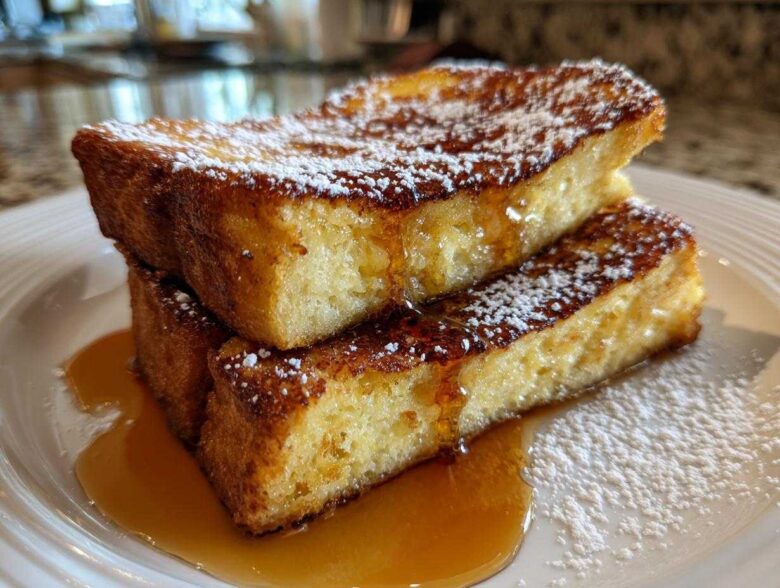
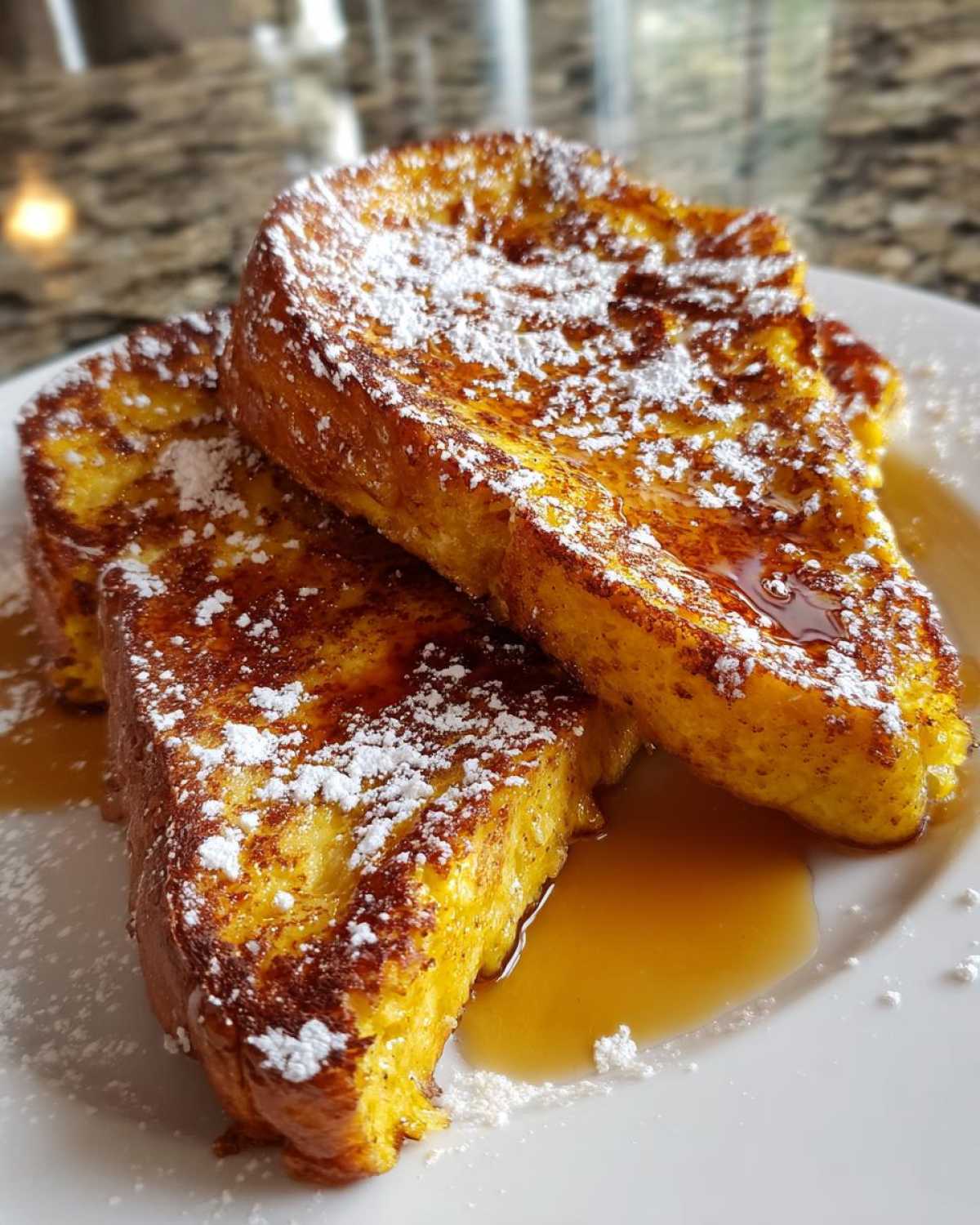
Let’s be honest, the weekend deserves better than rushed cereal, right? When Liam first started showing me how to cook—those first tentative steps were all about sending a warm message of care—the first thing I truly mastered that felt like a hug on a plate was this classic french toast recipe. Forget soggy bread! I’m Chloe, and I’m sharing my absolute favorite method for making the dreamiest french toast imaginable. We’re talking perfectly golden, crispy french toast edges meeting a warm, decadent, and unbelievably custardy french toast center. If you’re looking for a simple weekend breakfast idea that feels like a million bucks, this is it! If you ever want to send Liam a warm message back, his scrambled eggs are right over here: the best creamy fluffy scrambled eggs recipe.
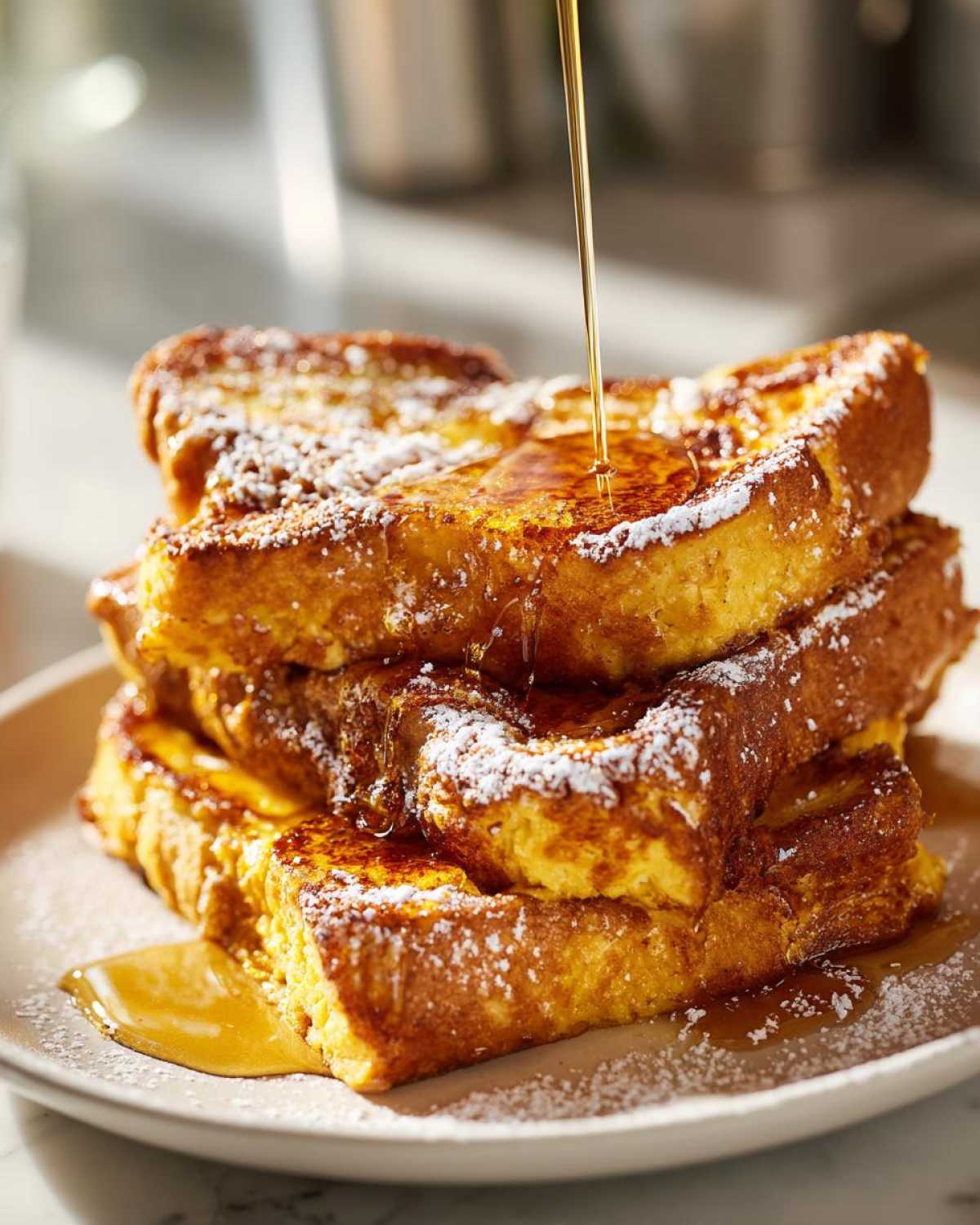
Why This Classic French Toast Recipe Delivers Comfort
I know you’ve had sad, floppy French toast before, right? That’s the opposite of the message we want to send! This recipe isn’t just another list of steps; it’s my guarantee for a perfect experience. The real secret is using thick, sturdy bread and adjusting the custard just so. It means you get stunning results every time, which makes this one of my top recommendations for easy brunch recipes when company drops by unexpectedly. You deserve an impressive weekend breakfast idea without the stress!
Achieving Fluffy French Toast Centers
Want that deeply satisfying, almost pudding-like texture inside? That’s all about the bread and the soak. We need thick slices—think nearly an inch deep—because they can handle our rich custard without collapsing into mush. Giving it that proper soak time ensures you get those truly custardy french toast centers we all dream about and builds the foundation for fluffy french toast.
Tips for Crispy French Toast Edges
The contrast is what makes this dish divine! To get those perfect edges, forget high heat—seriously, your bread will burn before your custard sets. We cook slowly over medium heat, which allows the outside to crisp up beautifully while locking in that moisture. Also, never skimp on the butter in the pan; it’s your ticket to those irresistible, browned, crispy french toast edges.
Ingredients for the Best French Toast
Okay, ingredients. This is where we cheat a little bit by starting with great quality items, but don’t worry, it’s hardly complicated! Liam always tells me, “Chloe, the best message starts with the best paper.” For French toast, the paper is the bread.
You absolutely need bread that’s thick—at least three-quarters of an inch, but honestly, a full inch is heaven. Forget that soft, pre-sliced stuff you use for PB&J. We need structure! I’m demanding you reach for either Challah french toast or Brioche french toast. They’re sturdy, rich, and soak up the custard perfectly without falling apart. If you happen to have day-old bread, that’s even better because it’s less likely to turn to mush!
For the custard that makes this dish sing, here’s what you’ll need to whisk up. If you’re looking for some other amazing breakfast bases while you’re here, you can check out my recipe for easy almond flour pancakes!
- 8 thick slices of bread (Challah or Brioche work best—don’t skip this!)
- 4 big, fresh large eggs
- 1/2 cup of whole milk, or if you’re feeling ultra-indulgent, use half-and-half
- 1/4 cup of heavy cream (Yes, cream! This makes the filling so rich.)
- 1 teaspoon divine vanilla extract
- 1 teaspoon ground cinnamon (This is crucial for that warm scent!)
- 1/4 teaspoon ground nutmeg
- Just a tiny pinch of salt (It really brightens everything up.)
- 2 tablespoons of good, real butter, for cooking in the skillet
- Maple syrup and powdered sugar reserved for drizzling and dusting when we are done.
How to Prepare Perfect French Toast Step-by-Step
Now that we have our amazing, thick-cut bread and our luxury custard ready, let’s put it all together! Remember when I mentioned Liam wooing me with food? This step isn’t about speed; it’s about care, just like delivering a good message. Don’t rush the soak, and don’t cook it too fast. Follow these steps, and you’ll have the best french toast you’ve ever tasted.
Making the Custard Base for French Toast
Grab a shallow dish—one that’s wide enough for your bread slices. Pour in your eggs, milk, cream, vanilla, and all those lovely spices. I’m talking cinnamon and nutmeg here; this is what gives us that warm, comforting taste for our perfect cinnamon french toast. You need to whisk aggressively! I mean it—vanish all those egg whites and streaks. If you skip this, you might end up with weird pockets of just egg white on your finished slice. We want smooth sailing for flavor delivery!
The Soaking Technique for Custardy French Toast Centers
This is the make-or-break moment for achieving those incredible custardy french toast centers. Take your bread and dip it fully into the custard mixture. Let it hang out there for a good 15 to 20 seconds on the first side. Flip it, and let the other side soak for another 15 to 20 seconds. If your bread is slightly stale, that’s perfect absorption time. If you’re using very fresh, soft bread, maybe cut that time down to 10 seconds per side so it doesn’t fall apart on you. Gentle handling is key!
Cooking Your French Toast to Golden Perfection
Time to hit the griddle! Set your skillet or griddle to medium heat—no higher! We need consistent, gentle warmth. Melt about a tablespoon of butter until it foams up nicely. Lay your saturated bread gently onto the hot butter. You need to cook each side for about 3 to 4 minutes until it’s deeply golden brown. If you see it browning too fast, turn that heat down! You’ll want to drop another small knob of butter in before your next batch to keep those crispy french toast edges coming out right. Once they look golden and done, they’re ready to eat immediately. If you’re checking on similar techniques for other items, I have a whole guide on how to make perfect poached eggs!
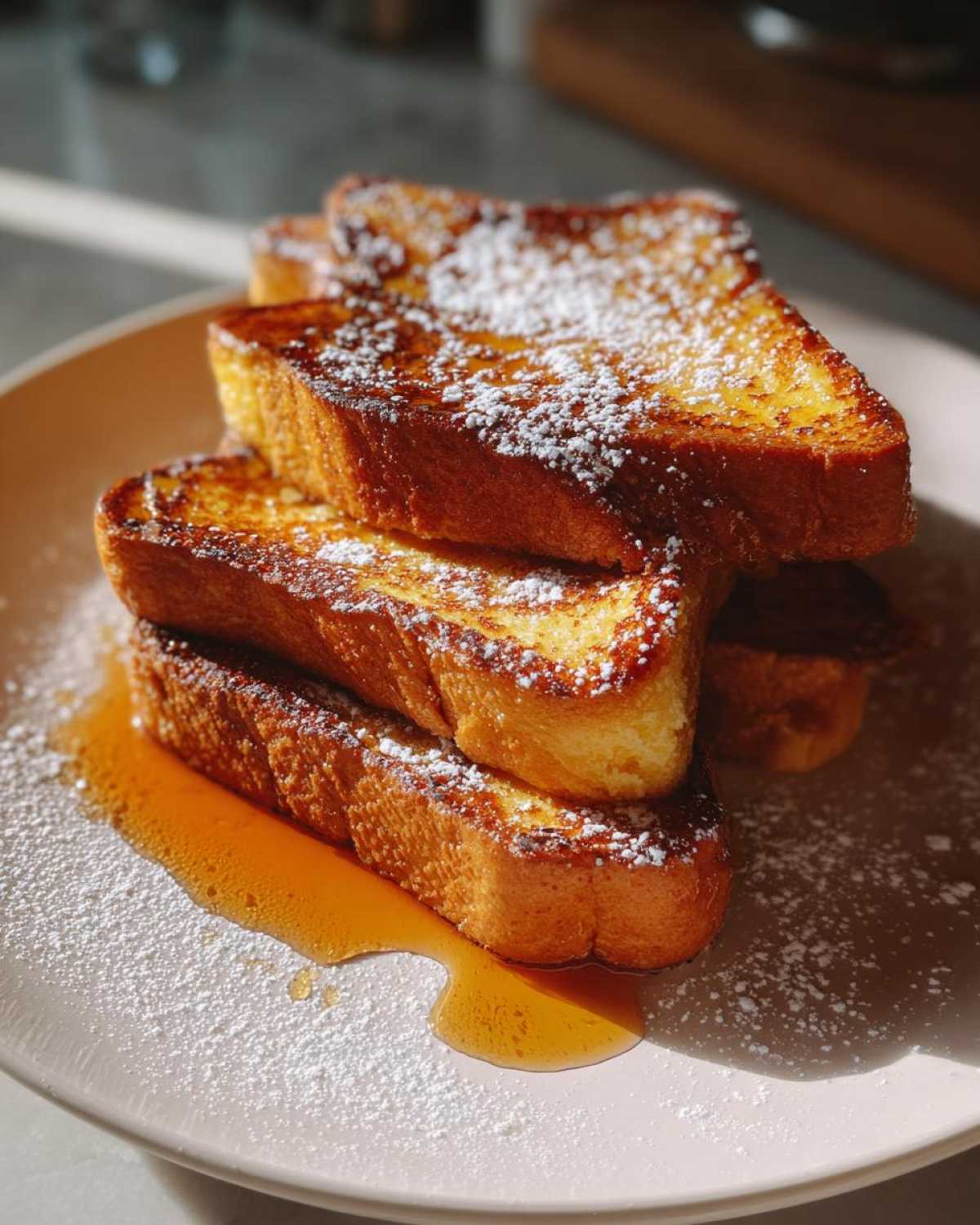
Expert Tips for the Best French Toast
Liam is obsessed with efficiency, but even he agrees that with this recipe, you can’t cut corners. These aren’t just my opinions; these are the tried-and-true rules I learned to make sure every plate of french toast sings. If you’re looking for the best french toast tips to elevate your brunch game, listen up!
One of the most important secrets, which I pulled straight from the recipe notes, is using slightly stale bread. I know, it sounds counterintuitive! But dry bread soaks up that gorgeous custard mix better without dissolving into a sad, soggy mess. We want absorption, not disintegration! If you want to study up on other fantastic, make-ahead breakfast items, you might love my guide to homemade English muffins.
Choosing the Right Bread for Your French Toast
Like I’ve mentioned, the bread choice is everything. Think sturdy! That’s why Challah french toast and Brioche french toast are superior choices. They carry all that rich dairy and egg without collapsing into batter on the skillet. If you’re just starting out, stick to those dense, slightly drier loaves. I read about some great methods over at Modern Honey that focus on using day-old Texas toast, which is another fantastic, sturdy option!
Variations on Classic French Toast
While I truly believe this classic french toast recipe is the gold standard, I know sometimes you need a little extra flair, especially when planning those elaborate brunches we dream about! This recipe is so versatile, you just need a small tweak to turn it into a showstopper. It’s all about sending a different kind of message—maybe one that says, “Wow, you went the extra mile!”
Making Cream Cheese Stuffed French Toast
If you want to go straight to the “wow” factor, you have to try stuffing them! Learning how to make things like cream cheese stuffed french toast is surprisingly easy, even if you’re new to the kitchen. All you do is once your bread is soaked, you carefully slice a pocket into the side of the thick piece—don’t cut all the way through! Then, you gently spoon some of your cream cheese mixture—I like to mix mine with a little vanilla and powdered sugar first—right into that pocket before you flip it onto the skillet. It melts beautifully right there in the middle, creating that decadent texture. You can find my full tips for this indulgence over here: stuffed french toast recipe.
Quick Make Ahead French Toast Casserole Option
Are you hosting a big crew on Christmas morning or need a truly make ahead french toast solution for a busy Sunday? Then you need to think casserole style. While this recipe is designed for immediate frying to get those crispy edges, the custard base works perfectly for baking! You just layer your bread and drizzle the leftovers of that rich custard over the top, pop it in the fridge overnight—creating an overnight french toast bake—and toss it in the oven first thing in the morning. It trades our perfect crispy edges for an amazing, soft, pudding-like texture across the whole pan, which is amazing for feeding a crowd!
Serving Suggestions for Your French Toast
Okay, the french toast is cooked perfectly—golden, crisp, and custardy. Now we need to serve it, right? This is where you get to send the final, most delicious message! While a simple dusting of powdered sugar and a drizzle of good maple syrup is heavenly (and highly encouraged!), sometimes you want to elevate it into an unforgettable gourmet breakfast.
Don’t overthink it; simple, fresh toppings work best because the French toast itself is already so rich. If I’m making this for Liam on a Saturday morning, here are my go-to additions:
- Fresh Berries: A handful of bright, perfectly ripe strawberries or slightly warmed blueberries adds necessary tartness and color.
- **Whipped Cream & Zest:** Skip the canned stuff if you can, and whip heavy cream with just a tiny bit of vanilla. A little lemon or orange zest on top makes it feel instantly fancy.
- **Nuts for Crunch:** Chopped pecans or toasted walnuts sprinkled right before serving adds another layer of crunch that complements those crispy french toast edges beautifully.
- **The Side Dish:** If you want a full meal, keep the sides simple so the toast remains the star. Liam loves it paired with just a side of crispy bacon or maybe some of my easy, super moist pumpkin bread if we’re feeling extra autumnal!
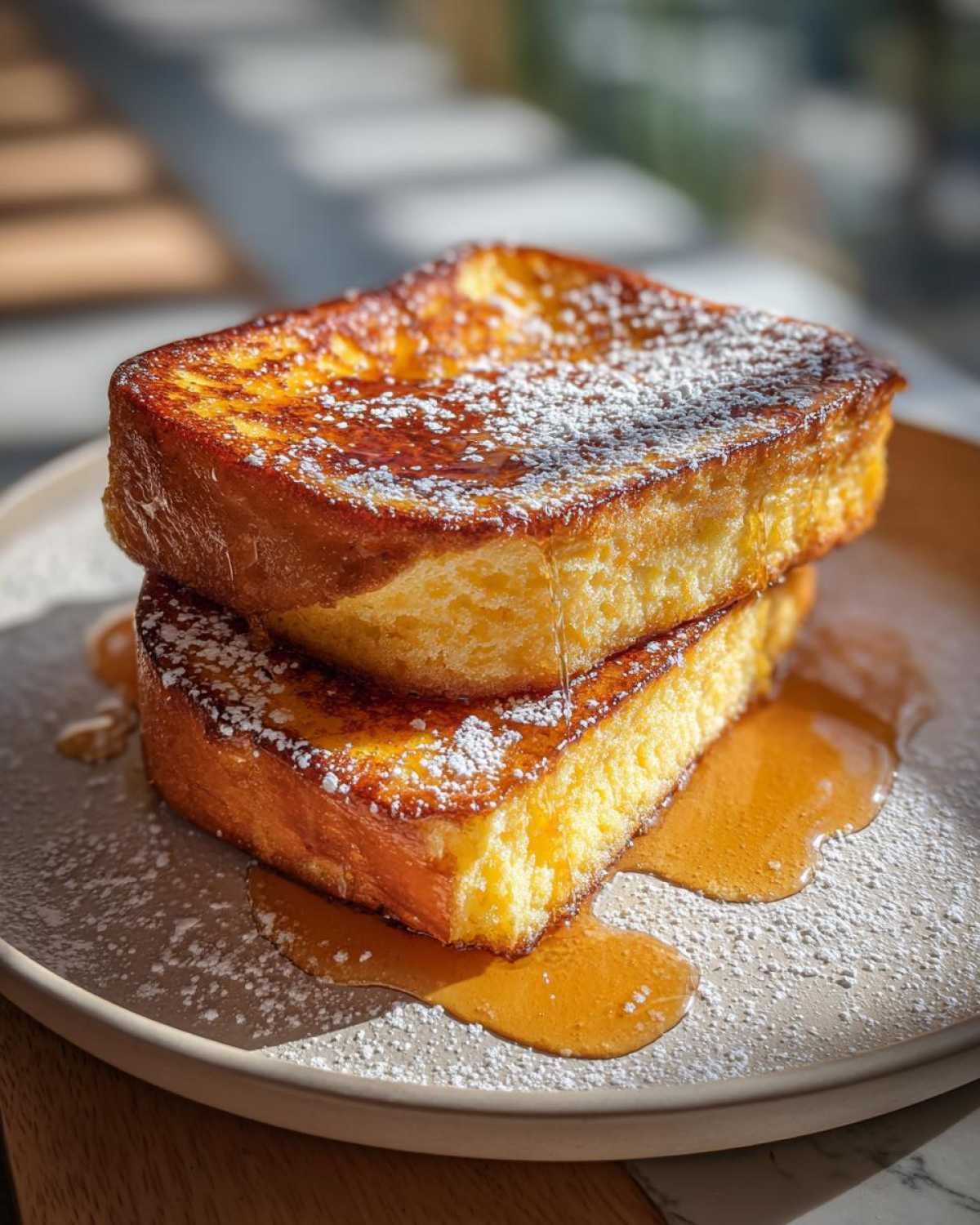
Honestly, the best part is choosing toppings that make the person eating it feel loved. That’s the Cookery Courier way—delivering comfort, one delicious bite at a time!
Storage and Reheating Instructions for Leftover French Toast
Don’t you hate finding perfectly good French toast leftover? It’s a tragedy! Luckily, this recipe holds up surprisingly well if you handle the leftovers correctly. While nothing beats this dish straight off the griddle, we want to make sure your next day’s quick breakfast doesn’t taste sad and soggy. Storing and reheating correctly is another way we send a reliable message of comfort later!
If you have extra—which you might only if you followed my advice to use super thick bread!—you need to cool it completely before you even think about putting it away. Don’t cover the warm slices in a container; the steam will make everything soft instantly. Once cool, place them in a single layer on a baking sheet to flash-freeze for about an hour. Then, transfer them to a securely sealed container or freezer bag. This prevents sticking and builds up that E-E-A-T quality in your leftovers!
When you’re ready to reheat, skip the microwave like it’s the plague—it turns everything rubbery! The best way to bring back those crispy french toast edges is to use the oven or a toaster oven. Lay the slices out on a wire rack set over a baking sheet. Bake at 350°F (175°C) for about 8 to 10 minutes, or until they are heated through and slightly crisp again. This works like magic! For more ways to transform leftovers into something amazing, check out my guide on mashed potato cakes from leftovers.
Frequently Asked Questions About Making French Toast
I love getting your messages asking about how to tweak this recipe, so I gathered up some of the questions I hear most often! Getting these little details right is how you elevate something good into something truly special, which is what Cookery Courier is all about—sending that perfectly curated message of deliciousness!
Can I make this french toast recipe using regular sandwich bread?
You totally can, but I have to give you a little warning shot first! Regular, flimsy sandwich bread is thin and soft, which means if you soak it for the 15-20 seconds I recommend for the thick brioche, it’s going to fall apart on the griddle. If you must use it, dip it quickly—maybe only 5 seconds per side! It won’t give you that wonderful fluffy french toast texture we are aiming for since it can’t hold enough of the custard, but it will still taste lovely and cook up fast as a quick breakfast idea.
How do I get a truly custardy french toast centers?
This is my absolute favorite answer because it’s pure kitchen science! To get those deeply rich, custardy french toast centers, you need two things that we made central to this recipe. First, use the cream or half-and-half in the egg mixture, not just milk. That extra fat makes the final texture incredibly decadent. Second, commit to the soak time! Don’t hover nervously; let that thick bread soak for the full 15-20 seconds per side so the egg mixture actually penetrates the middle of the slice.
Can this be a quick breakfast idea?
Oh, absolutely! If you’re trying to get out the door and need an easy french toast fix, you can absolutely streamline this. The best way to speed things up is to skip the thick loaves and use standard bread, and cut your soak time way down—think 5 seconds per side. You won’t get that incredible depth of flavor (it won’t be as custardy), but it will still be warm, spiced, and way better than anything from a frozen box. It makes a fantastic quick breakfast idea when you’re running behind!
If you end up with extra questions after trying this, feel free to drop me a comment, or check out some other simple favorites like my easy homemade garlic breadsticks recipe! I’m always here to help you deliver the best message possible!
Estimated Nutritional Data for This French Toast Recipe
Okay, let’s talk numbers! I always try to keep things balanced, even when we’re making something indulgent like this incredible french toast. Remember, Liam and I are usually running out the door, so knowing what’s in our fuel for the day helps us choose our toppings wisely!
Please keep in mind that this nutritional breakdown—which is based off of two slices of the finished product—is just an estimate. Depending on the exact brand of milk, the size of your eggs, and especially how much maple syrup you decide to pour on top (no judgment here!), the final figures will definitely change. But this gives you a really good starting point for your easy brunch recipes!
- Serving Size: 2 slices of French Toast (without added syrup or powdered sugar)
- Calories: Roughly 350
- Fat: About 18g
- Saturated Fat: Around 9g
- Carbohydrates: Approximately 35g
- Protein: Near 14g
- Sugar: Roughly 18g (this includes the small bit from the milk and bread)
- Cholesterol: Around 180mg
When you add a heavy drizzle of maple syrup, those numbers tick higher quickly! If you’re serving this as part of a bigger spread for weekend breakfast ideas—say, alongside some fruit—you’re sending a fantastic and diverse message of nourishment to your loved ones. Enjoy knowing what you’re putting into your body while savoring every bite of that classic french toast recipe!
Share Your Perfect French Toast Creation
Okay, that’s it! We have officially unlocked the secret language of gourmet breakfast. Now the best part of owning Cookery Courier is hearing from you folks! Did you try this classic french toast recipe? Did you finally nail that perfect, custardy french toast centers I bragged about?
I want to see your masterpieces! Since sending a message is our whole thing here, I’d love for you to send me a picture of your plate. Tag us on social media when you make your weekend breakfast ideas come to life. Seriously, knowing that my instructions translated into someone else’s amazing morning makes my whole day.
Tell me in the comments below: What bread did you end up choosing? Are you a dedicated Brioche lover, or did you brave the Challah? I’m always experimenting, so hearing what works for your family helps us all improve our delicious dispatch skills. If you want to check out all the other warm messages we’ve sent out lately, you can see everything new on our main blog page!
Happy cooking, and I can’t wait to see how you served up this incredible french toast!
PrintThe Absolute Best Classic French Toast Recipe

Learn how to make the best classic French toast with crispy edges and a custardy center every time. This foolproof recipe is perfect for an easy weekend breakfast or brunch.
- Prep Time: 10 min
- Cook Time: 15 min
- Total Time: 25 min
- Yield: 4 servings
- Category: Breakfast
- Method: Pan Frying
- Cuisine: American
- Diet: Vegetarian
Ingredients
- 8 thick slices of bread (Challah or Brioche work best)
- 4 large eggs
- 1/2 cup whole milk or half-and-half
- 1/4 cup heavy cream
- 1 teaspoon vanilla extract
- 1 teaspoon ground cinnamon
- 1/4 teaspoon ground nutmeg
- Pinch of salt
- 2 tablespoons butter, for cooking
- Maple syrup and powdered sugar, for serving
Instructions
- Prepare your custard mixture: In a shallow dish, whisk together the eggs, milk, heavy cream, vanilla extract, cinnamon, nutmeg, and salt until fully combined.
- Heat a large skillet or griddle over medium heat. Add about 1 tablespoon of butter and let it melt until foamy.
- Dip each slice of bread completely into the egg mixture. Allow the bread to soak for about 15 to 20 seconds per side for a custardy center. Do not over-soak if using standard sandwich bread.
- Place the soaked bread onto the hot, buttered skillet. Cook for 3 to 4 minutes per side until golden brown and cooked through. Adjust heat as needed to prevent burning before the center sets.
- Add the remaining butter to the skillet as needed between batches.
- Serve your French toast immediately with your favorite toppings like maple syrup and a dusting of powdered sugar.
Notes
- Use slightly stale bread; it absorbs the custard better without becoming soggy.
- For extra richness, use half-and-half or heavy cream instead of just milk in the custard.
- Cook on medium heat; cooking too fast results in burnt outsides and raw centers.
Nutrition
- Serving Size: 2 slices
- Calories: 350
- Sugar: 18
- Sodium: 350
- Fat: 18
- Saturated Fat: 9
- Unsaturated Fat: 9
- Trans Fat: 0
- Carbohydrates: 35
- Fiber: 2
- Protein: 14
- Cholesterol: 180