

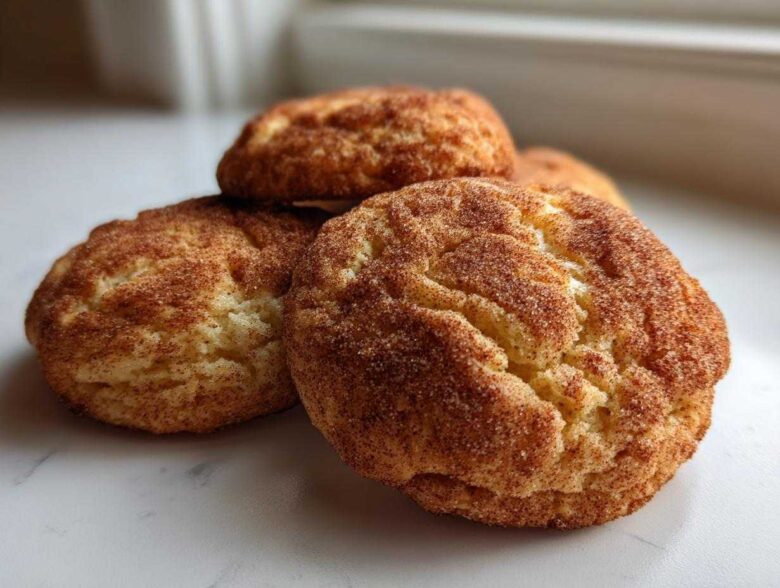
Listen, sometimes you just need a cookie that tastes exactly like childhood, right? Forget those fancy, complicated desserts. My heart always goes back to the humble, glorious circle rolled in sweet spice: the classic Snickerdoodle Cookie. After years of testing every crumbly or cakey version out there, I finally landed on this – the one that guarantees that perfect soft, chewy texture and that signature little tang you just can’t get anywhere else from a Snickerdoodle Cookie. Trust me, this is the definitive guide because I’ve spent nearly two decades perfecting this recipe here in my own chaotic kitchen. Get ready for amazing!
Why This is the Best Snickerdoodle Recipe for Soft and Thick Snickerdoodles
There are so many recipes out there for Snickerdoodle Cookies, but they often end up too thin or they just taste like sugar cookies with cinnamon sprinkled on top. Not this one! This recipe is my gold standard for the Best Snickerdoodle Recipe because I nailed the ratios, which is key for getting those wonderfully Soft and Thick Snickerdoodles you dream about. We aren’t going for flat and crisp here; we want cushiony centers that barely hold together when you pull them apart warm.
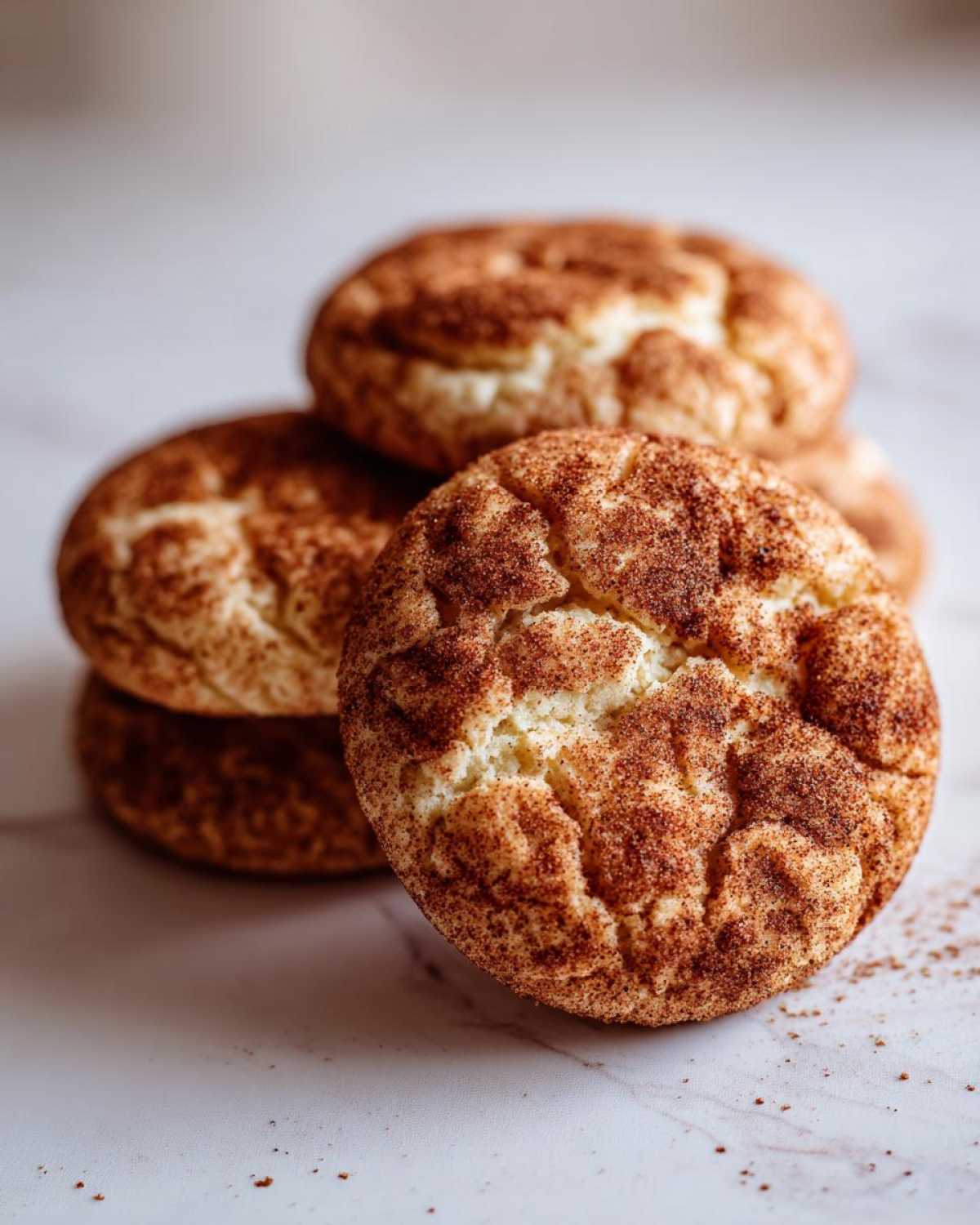
The reason this works so well, and why you need to pay attention to ingredients, lies entirely with the cream of tartar. It’s the unsung hero! If you skip it or swap it out, you lose that unique, barely-there tang that lets the cinnamon flavor really pop. This ingredient also reacts perfectly with our baking soda to create structure, ensuring they puff up instead of spreading out flat onto the sheet. It makes all the difference in getting that amazing final texture.
The Secret to Perfect Snickerdoodle Cookies Texture
That signature texture really comes down to the reaction between the acid (cream of tartar) and the base (baking soda). This combination gives the cookie its lift and helps tenderize the dough as it bakes. Since we’re not chilling this dough long, you rely on that chemical reaction in the oven to set those lofty centers. It’s basic kitchen science, but it’s what separates a good cookie from a truly legendary one. You can read more about getting that perfect chewiness in my guide on soft and chewy cookies, but honestly, the Snickerdoodle is the OG!
Gathering Ingredients for Classic Snickerdoodle Cookies
Okay, stop everything and make sure your ingredients are ready to go. Because we want speedy, fantastic Classic Snickerdoodle Cookies, we don’t have a lot of fussy additions here, but the ones we *do* have are non-negotiable for that signature flavor! I always pull my butter out at least an hour before I plan to start mixing; cold butter leads to sad, dense cookies, and we are not making sad cookies today. Also, and I can’t stress this enough—please check the date on your cream of tartar. If it’s old or separated from its jar buddies, your cookies won’t get that magical lift they need!
We’ll be making the dough base first, and then we’ll assemble that glorious cinnamon-sugar coating separately. If you’re looking for ways to spice things up next time, check out my chai spice snickerdoodles for awesome flavor twists!
Coating Mixture for Snickerdoodle Cookies
This is the fun part where everything starts smelling like a holiday bakery! You only need two things here, but they must be well combined. I use a very shallow bowl so I can really roll those dough balls around until they are completely encased in the sweet cinnamon cloud we’re about to create. Don’t skimp on the coating; that’s where the beautiful speckled crust comes from!
- 1/4 cup granulated sugar for coating
- 2 tablespoons ground cinnamon for coating
For the main cookie dough, you’ll need:
- 1 cup unsalted butter, softened
- 1 1/2 cups granulated sugar
- 2 large eggs
- 2 teaspoons vanilla extract
- 2 3/4 cups all-purpose flour
- 2 teaspoons cream of tartar
- 1 teaspoon baking soda
- 1/2 teaspoon salt
How to Prepare Your Snickerdoodle Cookies from Scratch
Alright, let’s roll up our sleeves! We need to get organized because these cookies bake fast once the dough is mixed, so make sure your oven is cranked up to 375 degrees F (190 degrees C) and your sheets are lined with parchment paper before you even touch the mixer. The first crucial step is getting that butter and sugar looking pale and fluffy—this aeration process adds lightness, which stops your Snickerdoodle Cookies from turning into dense hockey pucks!
Once the eggs and vanilla are incorporated, switch your focus to the bowl holding your flour mix. We add those dry ingredients slowly. I mean it—gradually! We aren’t making bread here, so the final mix needs to be quick. If you end up with a few tiny streaks of flour when you stop, that’s actually perfect. You want to keep that gluten development low for that signature chewiness!
Mixing the Wet and Dry Components for Snickerdoodle Cookies
When you combine the flour mixture with the creamed butter base, use the lowest speed on your mixer, or honestly, just use a wooden spoon for the last few stirs. Overmixing at this stage is the enemy of Chewy Snickerdoodle Cookies. It develops gluten too much, and suddenly, that beautiful soft texture is gone! Stop mixing the moment everything looks unified. We want that dough to remain pliable and slightly tender.
Rolling Dough Balls in Cinnamon Sugar for Snickerdoodle Cookies
Now for the best part, getting them coated! Scoop out rounded tablespoon portions of dough. Don’t mess around worrying about it being perfectly round yet; just scoop it out. Immediately roll it gently between your palms into a rough ball. Then, take that newly formed ball and nestle it right into the cinnamon sugar mixture we made earlier. You need to roll it thoroughly, making sure every single bit of that dough is covered in the cinnamon sugar—this exterior shell is what creates that beautiful crackle on top. If you want some incredible recipes focusing on that cinnamon punch, you absolutely have to check out my guide on foolproof cinnamon rolls!
Baking Guidelines for Perfect Snickerdoodle Cookies
The oven temperature is non-negotiable for these guys, so double-check that preheat! You want a steady 375 degrees F (190 degrees C) bath for your beautiful little sugar-coated balls. Get those coated dough balls spaced neatly—about two inches apart—on your parchment-lined sheets. They need room to spread into lovely, substantial cookies, not crowded islands!
Baking time is where you have to trust your eyes more than the clock, though 8 to 10 minutes is usually our sweet spot for these Easy Homemade Snickerdoodles. You are looking for the edges to look just set—a little golden brown is fine, but don’t let them get dark! The absolute key, the part that guarantees that Perfect Snickerdoodle Cookie Texture, is that the centers still look slightly soft, maybe even a little underdone, when you pull them out. They’ll firm up on the pan.
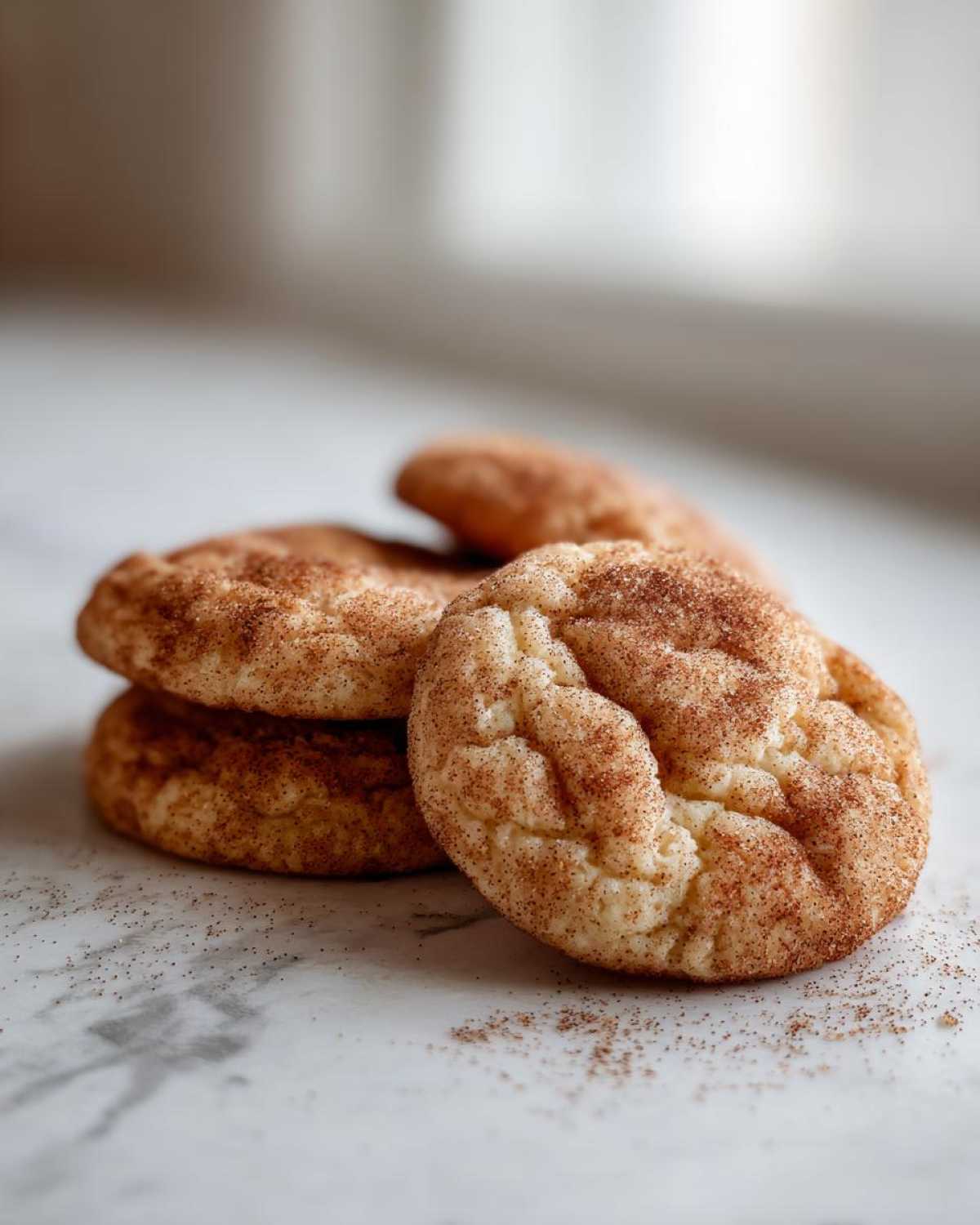
Don’t you dare move them right away! They are fragile hot out of the oven. Leave them on that baking sheet for a good five minutes. This resting period lets them finish cooking gently from the residual heat, which stops them from collapsing into sad little puddles when you try to move them. After five minutes, slide them over to a wire rack to cool completely, though I never manage to wait that long before stealing a warm one!
Tips for Achieving Chewy Snickerdoodle Cookies
If you follow the recipe exactly, you’ll get amazing results, but here are the insider secrets I learned the hard way! Remember how I mentioned the cream of tartar? It must be fresh! I once used a jar that was pushing five years old, and the cookies turned out tasting flat—good, but definitely missing that signature snap. They ended up more like basic sugar cookies, which was a total letdown after all that rolling!
Also, keep those dough balls round! I got impatient once and just flattened them a little with my palm before baking, thinking they’d spread nicely. Nope! They baked wide and thin. For proper Chewy Snickerdoodle Cookies, you must let them spread naturally on their own. If you want them thicker, I sometimes chill the dough for just 30 minutes before rolling. That small rest makes a huge difference in how high they bake. If you’re looking for more cookie chewiness in general, check out my tips for gingersnaps!
Variations on Classic Snickerdoodle Cookies
While this recipe is built around the pure, simple joy of the Classic Snickerdoodle Cookies, I totally get the urge to experiment once you’ve mastered the basics. I usually stick to the tradition, but sometimes, especially around the holidays, I sneak in a little something extra. These additions are subtle, though; we don’t want to mask that lovely cinnamon-sugar vibe!
A fantastic way to add depth without changing the actual cookie structure is swapping out about a third of the granulated sugar in the dough for dark brown sugar. That little bit of molasses introduces a richer, deeper caramel note that pairs surprisingly well with the tang from the cream of tartar. It makes the cookie taste almost butterscotchy!
Another fun kick is using espresso powder! Just dissolve about a teaspoon of instant espresso powder into your vanilla extract before adding it to the wet ingredients. You won’t taste coffee, I promise, but it really intensifies the flavor of the cinnamon and makes the chocolate tones in the vanilla pop. It’s a chef’s trick my aunt shared with me years ago. If you want to explore using whole grains in your cookies, you might enjoy my post on cranberry oatmeal cookies, but for Snickerdoodles, keep it simple!
Storing and Keeping Your Snickerdoodle Cookies Fresh
So, you’ve successfully baked 3 dozen of the most perfect, pillowy Snickerdoodle Cookies? Congratulations! Now comes the hard part: trying not to eat them all in one sitting. Luckily, these hold up beautifully if you treat them right.
For freshness, airtight containers are your best friend. I layer mine with parchment paper between the cookie layers—this stops the sugar coating from sticking to the next cookie layer, which always seems to happen if you just dump them in!
If you aren’t planning on baking them all at once (and who can blame you if you want to make your first batch last?), you can totally freeze the dough balls! This is my go-to move for holidays. Just form the balls, roll them in the cinnamon sugar, place them on a sheet pan, and pop that pan in the freezer until the dough balls are rock solid. Then, transfer them to a freezer bag. They’ll keep for about three months!
When you’re ready to bake frozen dough, don’t thaw them! Just pull them straight from the freezer, space them nicely on your prepared baking sheet, and add about two or three minutes to the standard baking time. They might look a little pale at first, but they’ll catch up. Trust me, fresh-baked cookies on a random Tuesday is the best kind of surprise!
Frequently Asked Questions About Snickerdoodle Cookies
I know you might have questions floating around your head, especially if you’re nervous about getting that perfect crackle on top. That’s totally normal! Making sure you understand why certain ingredients are important really helps guarantee success the next time you pull out this Snickerdoodle Recipe with Cream of Tartar. Here are the ones I get asked most often when people try to master these cookies!
Can I make Snickerdoodle Cookies without cream of tartar?
If you absolutely cannot find it, you *can* substitute it in a pinch, but you’ll lose that essential true Snickerdoodle flavor. The cream of tartar provides the acid needed for that signature tangy taste, and it also helps keep the cookie soft and thick. If you have to substitute, use 2 teaspoons of white vinegar mixed with 1 teaspoon of cornstarch. It’s not the same, but it helps mimic the reaction. Honestly though, just go buy some; it lasts forever and it’s foundational for the Best Snickerdoodle Recipe!
How do I get my Snickerdoodle Cookies flatter?
This recipe is explicitly designed for thick, cushiony cookies, which I adore! But if you prefer that classic, slightly flatter, crisp-edged look you sometimes see, it’s easy to adjust. First, skip my advice and chill that dough for at least 45 minutes. Cold dough spreads less during the bake. Second, when you scoop the dough balls, press them down gently with the bottom of a glass dipped in sugar before they go into the oven. They won’t puff up as much, and you’ll get a nice wide cookie! Check out my complete Snickerdoodle guide if you want even more troubleshooting tips!
Here are a couple more quick ones:
- Can I use salted butter? You can, but be cautious! I recommend still reducing the added salt in the dry mix to just 1/4 teaspoon, since salted butter has about 1/4 teaspoon of salt per half-cup. We want flavor, but we don’t want salty cookies!
- What happens if I overbake them by two minutes? Even two extra minutes can be the difference between soft and chewy and just plain hard! If the centers look fully set when you pull them out, they are likely overbaked for this specific recipe, so watch them closely starting at the 7-minute mark next time.
Estimated Nutritional Data for Snickerdoodle Cookies
Now, I know we are baking these beauties because they taste like heaven, not because we are tracking macros, but I always get asked about the breakdown. So, here is the estimated nutritional report for one glorious serving of these Snickerdoodle Cookies, based on the recipe quantities listed. Remember, I’m a cook, not a nutritionist, so these numbers are a good guideline, but they will change slightly based on the exact brand of butter or sugar you use!
I like to present this clearly so you know exactly what you’re getting into before you dive into the whole batch. It helps when you’re trying to tell yourself just *one* more cookie won’t hurt, right? It’s all about informed fun in the kitchen!
- Serving Size: 1 cookie
- Calories: 140
- Fat: 7g (4g Saturated Fat)
- Carbohydrates: 18g
- Sugar: 13g (This is where the sweetness comes from!)
- Protein: 2g
- Sodium: 70mg
- Cholesterol: 25mg
Keep in mind that if you decide to skip the cinnamon-sugar coating we rolled them in (which, why would you do that?), those numbers will shift down a bit, especially the sugar content. But honestly, that coating is what makes these the wonderfully spiced, perfect Easy Homemade Snickerdoodles we worked so hard to perfect!
PrintClassic Snickerdoodle Cookies
This recipe provides instructions for making soft, chewy Snickerdoodle cookies with the signature slight tang from cream of tartar.
- Prep Time: 15 min
- Cook Time: 10 min
- Total Time: 25 min
- Yield: 3 dozen cookies
- Category: Dessert
- Method: Baking
- Cuisine: American
- Diet: Vegetarian
Ingredients
- 1 cup unsalted butter, softened
- 1 1/2 cups granulated sugar
- 2 large eggs
- 2 teaspoons vanilla extract
- 2 3/4 cups all-purpose flour
- 2 teaspoons cream of tartar
- 1 teaspoon baking soda
- 1/2 teaspoon salt
- 1/4 cup granulated sugar for coating
- 2 tablespoons ground cinnamon for coating
Instructions
- Preheat your oven to 375 degrees F (190 degrees C). Line baking sheets with parchment paper.
- In a large bowl, cream together the softened butter and 1 1/2 cups of sugar until light and fluffy.
- Beat in the eggs one at a time, then stir in the vanilla extract.
- In a separate medium bowl, whisk together the flour, cream of tartar, baking soda, and salt.
- Gradually add the dry ingredients to the wet ingredients, mixing on low speed until just combined. Do not overmix.
- In a small, shallow bowl, mix the 1/4 cup of sugar and 2 tablespoons of cinnamon for the coating.
- Scoop rounded tablespoons of dough and roll them into balls. Roll each ball thoroughly in the cinnamon-sugar mixture until fully coated.
- Place the coated dough balls about 2 inches apart on the prepared baking sheets.
- Bake for 8 to 10 minutes. The edges should be set, but the centers should still look slightly soft.
- Let the cookies cool on the baking sheet for 5 minutes before transferring them to a wire rack to cool completely.
Notes
- For the best texture, use fresh cream of tartar.
- Do not flatten the dough balls before baking; they will spread on their own.
- If you prefer a thicker cookie, chill the dough for 30 minutes before rolling and baking.
Nutrition
- Serving Size: 1 cookie
- Calories: 140
- Sugar: 13g
- Sodium: 70mg
- Fat: 7g
- Saturated Fat: 4g
- Unsaturated Fat: 3g
- Trans Fat: 0g
- Carbohydrates: 18g
- Fiber: 0g
- Protein: 2g
- Cholesterol: 25mg