

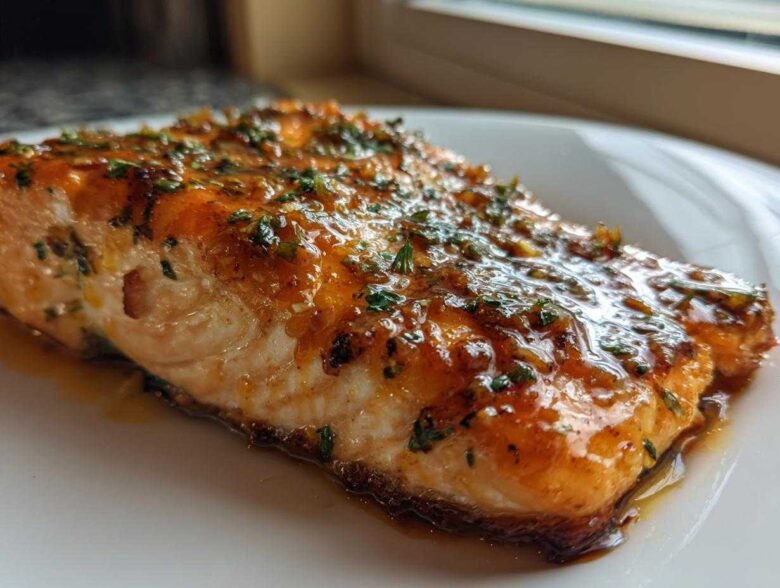
If your weeknights feel like a marathon where the finish line is always takeout menus, please know I totally get it. For the longest time, my kitchen was truly just for show! I was definitely a reformed skeptic when it came to getting fancy in here. But Liam, bless his heart, showed me that even the busiest person can deliver comfort, and that’s what this salmon recipe is—a total dispatch of warmth straight from the oven. It’s easy, it works every single time, and it tastes like you spent hours on it. You can read more about how these simple messages started our whole journey over at the About Us page! Ready to send your family a delicious message tonight?
Why This Restaurant-Style Baked Salmon is Your New Weeknight Hero
Seriously, if you need some genuinely good Quick Dinner Ideas that don’t feel like a compromise, stop scrolling. This recipe is my go-to when I want that steakhouse vibe without spending an hour in the kitchen. It’s reliable, which builds massive trust when you’re cooking for company! I even use the same careful steps I learned making things like Salisbury Steak to make sure this works perfectly.
- It’s ridiculously fast—we’re talking about serving this amazing Flaky Salmon Fillets dish in under 30 minutes total.
- The flavor profile is bold; it totally stands up to those big chain restaurants you love.
- It’s nearly foolproof, which is why I hand this recipe to everyone.
Achieving the Perfect Moist and Juicy Salmon Texture
The secret to keeping your moist and juicy salmon perfectly tender isn’t just the baking—it’s the double-glaze technique. We paint half the sauce on first, let it soak in, then hit it with the rest near the end. This locks in all the moisture before it has a chance to escape. Trust me, the flakiness is next level!
The Secret to Restaurant-Quality Salmon Flavor
That irresistible sweet-and-savory punch mimics that famous restaurant glaze perfectly. We hit it with honey for sweetness, Worcestershire for that deep umami, and Dijon for a little tang. It’s an Easy Salmon Recipe that delivers maximum flavor payoff with minimum fuss. You’ll feel like a pro!
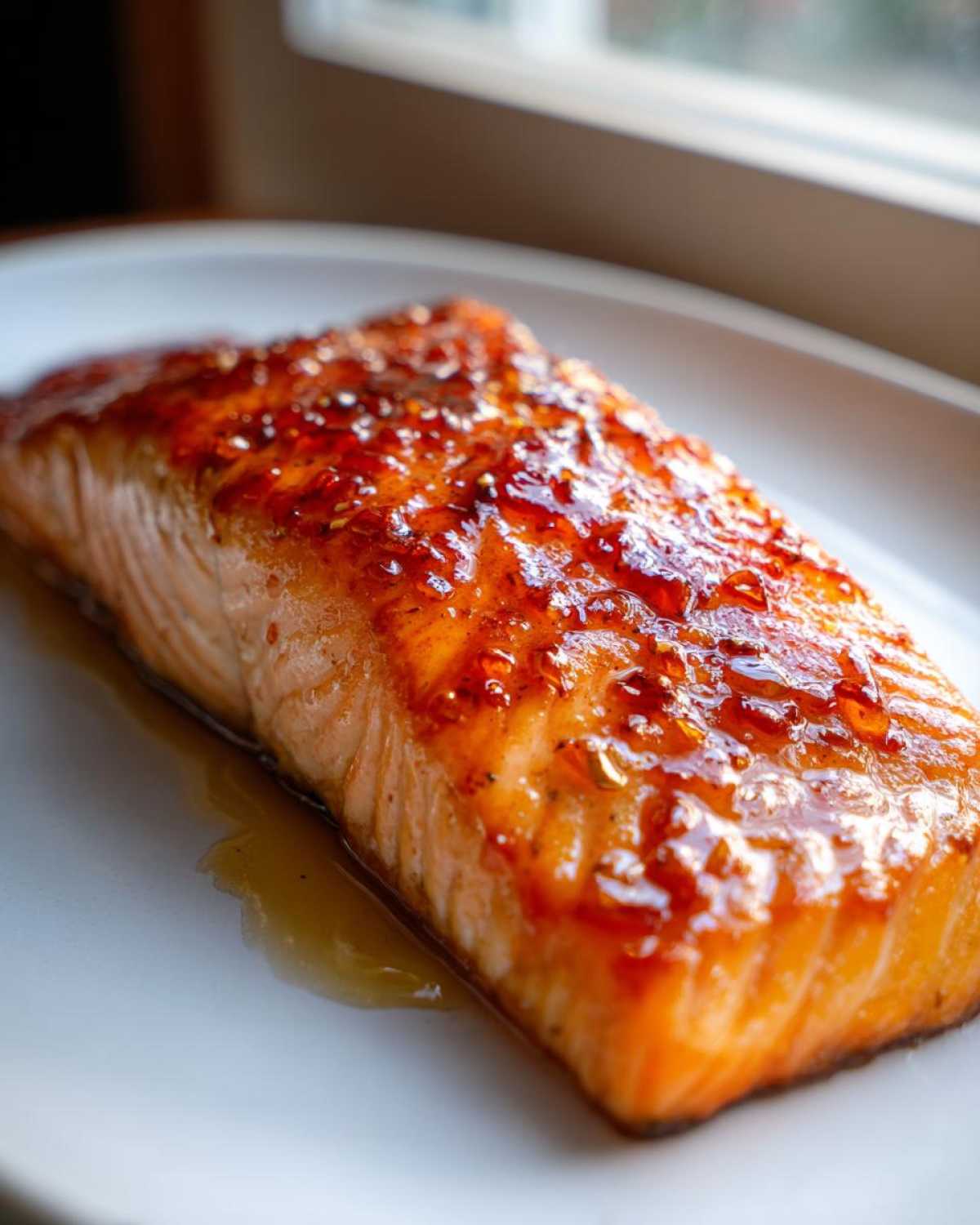
Ingredients Needed for Your Honey Glazed Salmon
Okay, gathering ingredients is the easiest part, but I want you to be ready because we need a few specific things to make this signature Honey Glazed Salmon sing! Don’t let the list scare you; most of this is your glaze magic made from pantry staples. I always keep the butter ready to melt and the Worcestershire sauce handy because that’s where the complexity comes from.
Here is what you need for four beautiful fillets:
- Four 6-ounce salmon fillets—skin on or skin off works great!
- One tablespoon of good olive oil.
- Salt and black pepper, just our basics: 1 teaspoon salt and 1/2 teaspoon pepper.
- 1/2 teaspoon paprika and 1/4 teaspoon garlic powder for that first seasoning layer.
- For the glaze: 1/4 cup unsalted butter, melted (don’t use margarine, please!).
- Two tablespoons of honey for that perfect sticky sweetness.
- One tablespoon of Worcestershire sauce—this is key!
- One teaspoon Dijon mustard.
- A crucial 1/2 teaspoon of smoked paprika and 1/4 teaspoon onion powder.
- Fresh parsley, chopped, just for a pretty green finish at the end.
Essential Equipment for Perfect Baked Salmon
You don’t need a ton of fancy gear for this, which is exactly why I love it for frantic weeknights. It’s proof that you don’t need complicated gadgets to make something that tastes like a treat! Making sure you have these few things ready makes the 25-minute cook time feel effortless. If you’re looking for other simple recipes that use minimal tools, check out how easy my four-ingredient soda bread is!
Here is my essential equipment list. We are keeping things simple, just like Liam taught me!
- A sturdy Baking Sheet: This is the base for everything. It needs to fit nicely into your 400-degree oven.
- Parchment Paper or Heavy-Duty Foil: Listen, Liam insisted on this for easy cleanup. We make enough delicious food; we don’t want to scrub baked-on honey glaze, trust me! It saves scrubbing time, making cleanup a breeze.
- A Small Whisk or Fork: You need something to really combine that butter, honey, and Worcestershire sauce into a smooth glaze base. Don’t just stir it with a spoon; you want it emulsified nicely.
- Measuring Cups and Spoons: Since this is a copycat recipe, measuring accurately for the glaze is important to hit that sweet-savory balance.
- Silicone Basting Brush: This is the best tool for painting that flavorful mixture onto the salmon fillets without dragging all the seasoning off.
Step-by-Step Instructions for 25 Minute Salmon Meal
Liam insists that the key to a fast, amazing meal is getting the assembly line running, and for this salmon, that means preheating first! We move fast here because we only have 25 minutes until this restaurant-quality dish is ready to go. Don’t worry if you’re usually nervous about fish; these steps are so clear, you won’t mess it up. It’s one of the best Quick Dinner Ideas you’ll ever try. If you love sheet pan cooking, you’ll want to check out my guide to making herb-crusted salmon with veggies too!
Preparing the Salmon and Signature Garlic Butter Salmon Glaze
First things first: crank your oven up to 400 degrees Fahrenheit. Line that baking sheet with foil or parchment—seriously, don’t skip this part! Now, grab your salmon fillets and pat them aggressively dry with paper towels. This is vital; dry fish gets better seasoning adhesion than wet fish. Next, mix up your glaze: whisk the melted butter, honey, Worcestershire, Dijon, smoked paprika, and the first bit of garlic powder together until it’s smooth. Brush about half of that incredible sauce over the top of the fish.
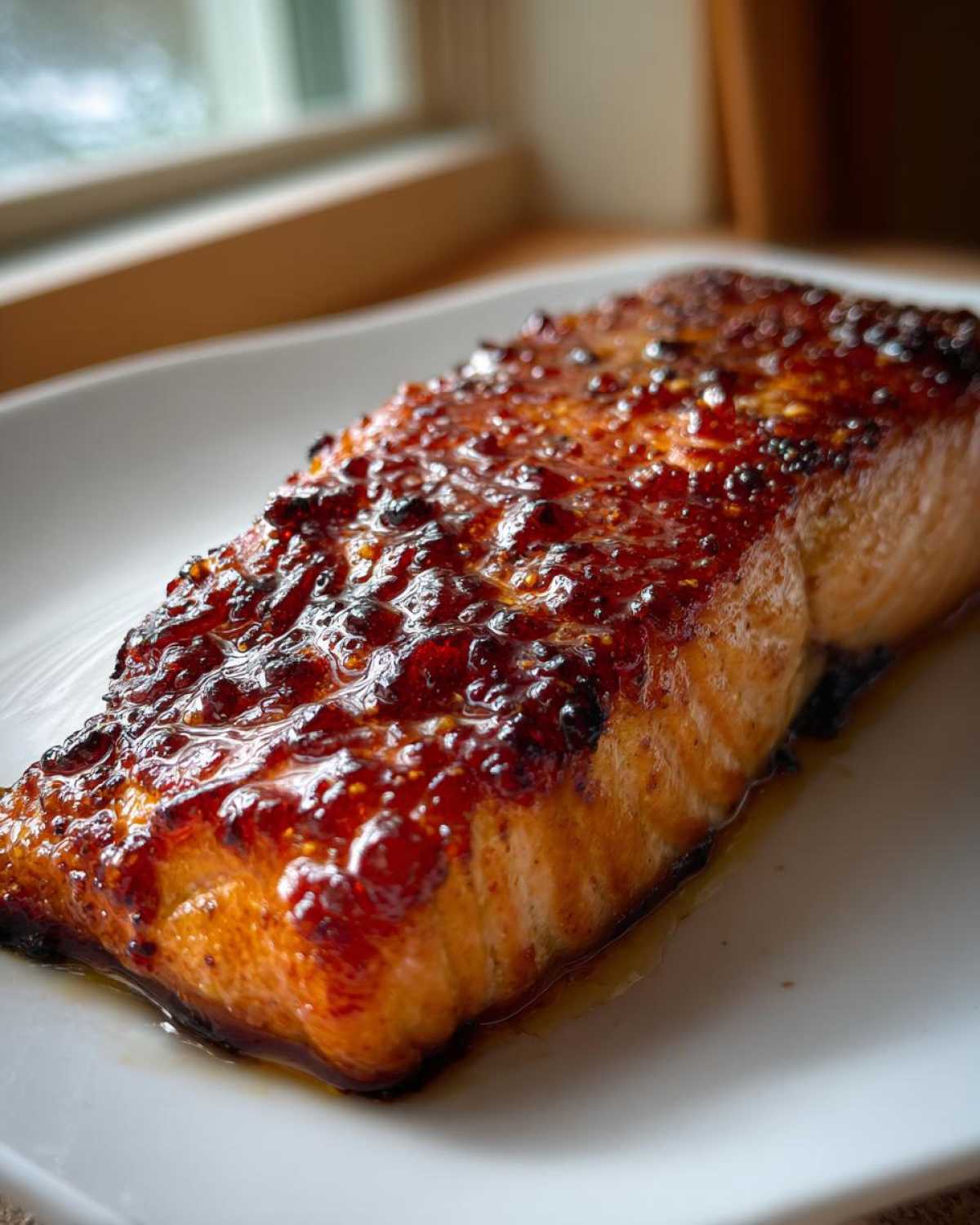
Baking the Salmon and Applying the Second Glaze Layer
Time to bake! Slide that sheet pan into the hot oven and set a timer for exactly 12 minutes. While that’s happening, quickly mix the remaining half of your glaze with the final touch, the onion powder. It sounds weird, but this ensures every part of the glaze is fresh tasting! When the 12 minutes are up, pull the pan out—the fish will look partially cooked. Brush that second layer of glaze right over the top. Pop it back in for just 5 to 8 more minutes. That’s when you know it’s done when it flakes beautifully. Dinner served!
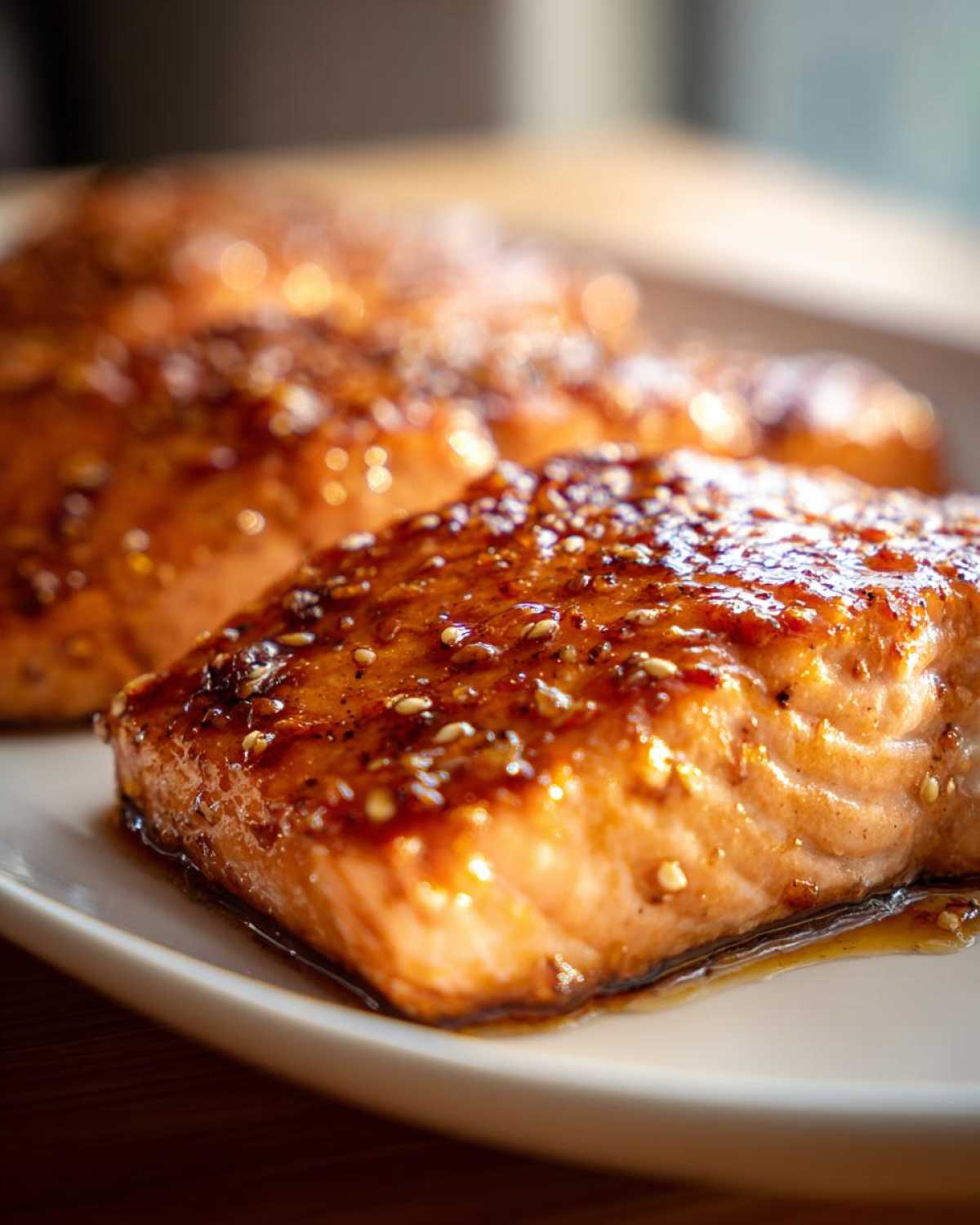
Tips for Achieving Crispy Skin Salmon Every Time
Most people think you can’t get restaurant-worthy texture with Oven Baked Seafood, especially when you cover it in sauce, but Liam showed me the trick! Since so many folks are dreaming about that perfect crunch, I wanted to share my best advice for getting gorgeous, Crispy Skin Salmon, even when you’re slathering on that sweet glaze.
The biggest mistake people make when trying to crisp up fish skin is letting it steam. We have to give that skin some airflow! If you left the skin on your fillets, here are the two simple things I do to ensure crunch:
- Use a Wire Rack: This is non-negotiable if you want truly crispy skin. After lining your baking sheet, place a little wire rack on top of the foil or parchment. Set your salmon fillets skin-side down on that rack. Why? It lets the hot air circulate all around the bottom of the fish, and any moisture drips away onto the foil instead of steaming the skin.
- Pat it Dry—Then Oil It: I know I made you pat the fish dry earlier, but when prepping for crispy skin, you have to do it one more time, right before it goes in! Get every bit of surface moisture gone. Then, I gently brush just the skin side with a tiny bit of olive oil, maybe seasoned with just salt. This helps the skin crisp up faster than the meat cooks.
Now, here’s the tricky bit with this Honey Glazed Salmon recipe: we are glazing the top! You need to apply the first half of the glaze (Step 4) only to the flesh side, trying to keep the skin totally bare. When you do that second glaze near the end, just carefully brush the bottom edge where the flesh meets the skin, but keep the actual skin as dry as possible. If you want true, shatteringly crisp skin, you’d probably skip the heavy sauce altogether, but Liam says this compromise is worth it for that amazing flavor! It still gives you great texture variation, even with the sauce.
If you’re still nervous about the oven route for maximum crispness, honestly, Liam loves using the Air Fryer Salmon method. The high-powered circulating air gets skin crispy faster than anything else, but for this specific recipe, stick to the wire rack method for best results!
Ingredient Notes and Substitutions for Your Salmon
I love how easy this salmon recipe is, but I know life happens! What if you’re out of honey or maybe just trying to cut back a tiny bit on sugar? That’s fine! Liam always says that adaptability is key to surviving weeknights. Since this glaze has a few parts, let’s talk about what you can swap out without ruining that restaurant-quality flavor we are aiming for. If you need more ideas on marinades in general, I wrote about the best chicken marinades we use right here, and many of those concepts apply to fish too!
Here are a few common hiccups and how to smooth them over:
- Swapping the Sweetener: Can you use maple syrup instead of honey? Absolutely! Maple syrup works beautifully with the smoky paprika, giving it a slightly different, woodsy note, but it keeps that essential stickiness we need for that beautiful coating. Just use a 1:1 ratio.
- Dijon Mustard Substitutions: Dijon adds a little sharpness to cut through the butter and honey, but if you only have regular yellow mustard, go ahead and swap it—it’ll just be a little milder. If you have none at all, just leave it out, but add a tiny splash of apple cider vinegar (maybe just 1/2 teaspoon!) to mimic the necessary acidity.
- Worcestershire Concerns: This ingredient provides deep, savory notes. If you happen to be sticking to a purely vegan diet or just don’t have it, you can substitute it with soy sauce (use a little less salt elsewhere!) or even a splash of balsamic vinegar. It won’t be *exactly* the same, but it builds that necessary depth so the baked salmon tastes complex.
- Fresh Parsley Dilemma: If you don’t have fresh parsley for garnish, honestly, don’t sweat it! A little sprinkling of dried oregano or just leaving the garnish off entirely is perfectly okay. The flavor is totally locked into the glaze already.
The main goal is to use good quality fish. Whether you use fresh or frozen (just thaw it completely first!), making sure your flaky salmon fillets are patted dry is more important than what exact bottle of mustard you have on hand. These little adjustments mean we can still deliver comfort even when the pantry’s fighting us!
Serving Suggestions for Your Flaky Salmon Fillets
Okay, we’ve got this gorgeous, glistening, restaurant-quality fish ready to go. It smells amazing, right? But a star like this needs the perfect supporting cast! We want to turn this into a complete, satisfying, and totally Healthy Fish Dinner without making tons of extra work for ourselves—because we’ve only got 25 minutes, remember?
Liam always pairs this rich, sweet glaze with something creamy to cut through the butteriness, and something green and bright to balance it all out. Think of it like putting together a perfect plate to send off to someone special!
If you are looking for a complementary green side that is just as fast and delicious as the salmon itself, you absolutely HAVE to try my recipe for Easy Broccolini with Lemon, Garlic, and Parmesan. It roasts right alongside the fish, making it almost zero extra effort!
Here are a few pairings that always make it feel like a complete meal:
- Creamy Comfort: You mentioned mashed potatoes in the notes, and they are the dream pairing here. The way the buttery glaze sinks into soft mashed potatoes is just fantastic. It feels comforting and hearty!
- Roasted Green Goodness: Roasted asparagus is my go-to. Toss the spears in olive oil, salt, and pepper, and roast them for about 10-12 minutes. They get tender-crisp, which is the perfect texture contrast to the soft flaky salmon fillets.
- A Little Zest: If you want something lighter than potatoes, simple steamed rice mixed with a squeeze of fresh lemon juice works wonders. It soaks up any extra bits of the glaze that drip off the fish.
- Quick Salad Swap: If it’s summer and you’re running low on oven time, a simple mixed green salad tossed with a light vinaigrette (something with a sharp white wine vinegar) is brilliant for adding freshness without adding complexity to your cooking routine.
Seriously, once you nail the timing on the salmon, plate it up quickly with one creamy and one bright veggie, and you’ve delivered a message that says, “Take care of yourself, this dinner is amazing, and you deserve it!”
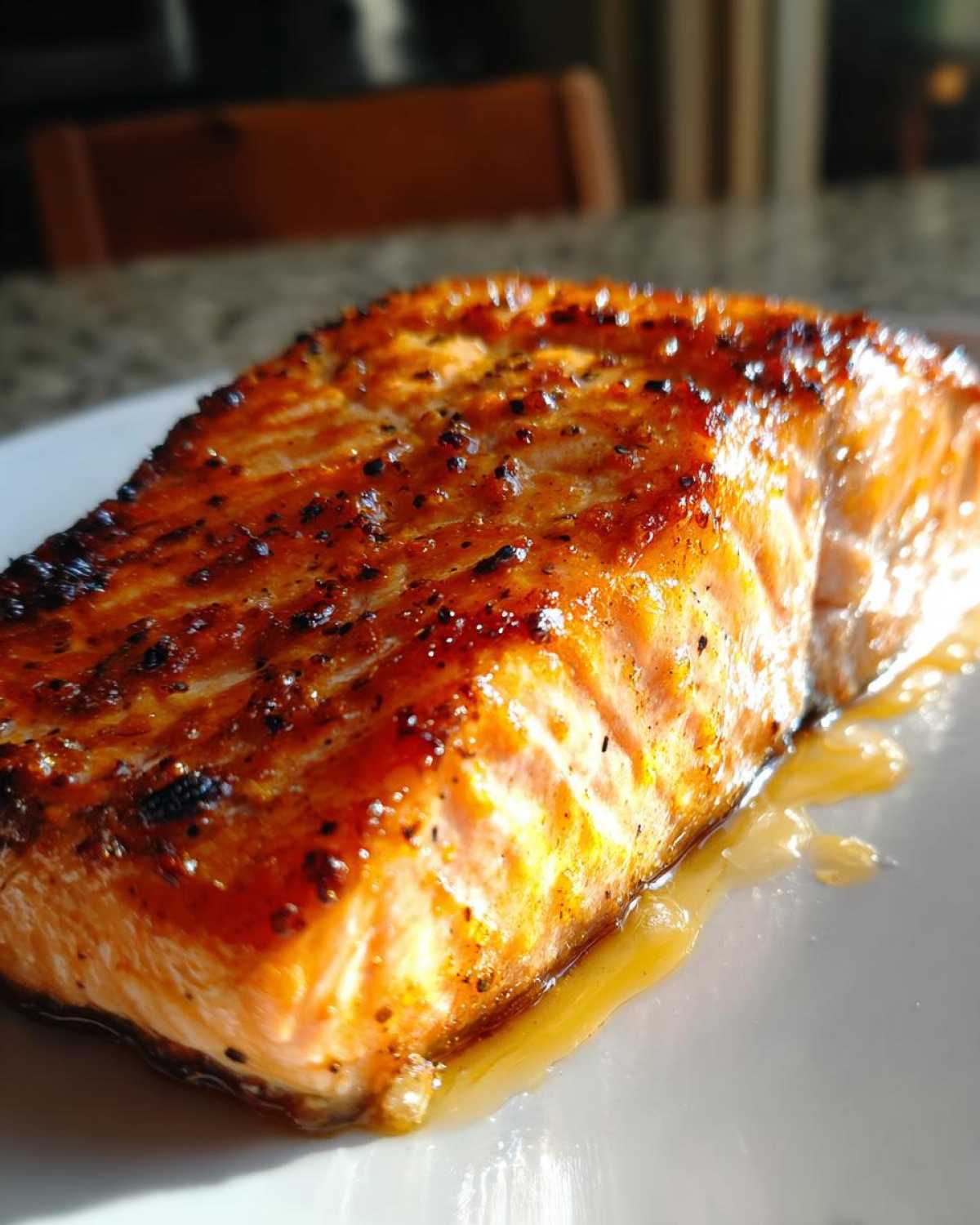
Storing and Reheating Leftover Salmon
Part of making a great Family Friendly Salmon meal is knowing that there might actually be leftovers! That sweet, garlicky glaze tastes incredible the next day—it just *needs* a little TLC to bring it back to life without becoming dry or rubbery. Liam and I are always trying to make sure our weeknight cooking works hard for us, and that certainly includes tasty lunches the next day.
When it comes to leftover fish, the biggest enemy is air exposure. You want to lock in all that wonderful moisture we worked so hard to create during the baking process. Here’s my absolute rule for keeping your flaky salmon fillets perfect overnight.
- The Airtight Rule: Once the salmon has cooled down to room temperature—and I mean totally cool—transfer it immediately to a really good airtight container. Glass containers are my favorite because they don’t hold onto odors, but any quality sealable container works. Try to avoid leaving it out on the counter for more than two hours; we want safety along with speed!
- Refrigeration is Key: Seal it up tight and tuck it in the back of the fridge where it stays coldest. Leftover salmon is best eaten within two to three days. After that, the texture really starts to change, and it’s just not worth the risk, even if it looks okay.
Bringing Your Salmon Back to Life (The Best Way!)
This is where most people accidentally ruin their Honey Glazed Salmon leftovers. The microwave is fast, yes, but it cooks unevenly and can turn your beautiful flaky texture into something chewy. Yuck! If you have to eat it cold (say, crumbled over a salad), that’s fine! But if you want that warm, just-baked taste, we have two much better options.
Option 1: The Gentle Oven Reheat (My Top Pick)
This method respects the glaze and keeps the fish tender. Preheat your oven to a low temperature—think 275 degrees Fahrenheit, maybe 300 max. Place the leftover salmon in a small, oven-safe dish. Here’s the trick: add just one teaspoon of water or a tiny dab of butter to the bottom of the dish. Cover the dish tightly with foil. The steam created by the liquid and the low heat gently warms the fish all the way through without drying it out. This usually takes about 10 to 15 minutes. It works beautifully for that restaurant-style salmon!
Option 2: Quick Stove Top Steam (For Single Servings)
If you are just warming up one small piece, you can use your stovetop. Grab a non-stick skillet and place a tiny splash of water (maybe two tablespoons) in the bottom. Put the salmon right on top. Cover the skillet tightly with a lid and let it heat over low-medium heat for about 4 to 6 minutes. The trapped steam does all the work, keeping that fish super moist. Just check it after 4 minutes; you don’t want to overcook it!
Liam loves eating leftovers cold the next day straight out of the container, but I’m a purist—I gently reheat mine every time. It takes 10 extra minutes, but it feels like I just made dinner again! It’s just another way we make sure the message of comfort lasts longer than one meal.
Frequently Asked Questions About Making Salmon
So many people email me asking questions after trying this recipe for the first time, which just tells me how much we all love a good, easy, delicious dinner! I think baking fish can feel a little intimidating because we’re so worried about it turning dry. I remember Liam showing me exactly how to check if the salmon was ready when I was first learning—it’s all about touch, not just time. Here are some of the most common things folks ask me about recreating this amazing Texas Roadhouse Salmon Copycat at home.
Is this Texas Roadhouse Salmon Copycat recipe healthy?
That’s a great question, especially since we’re using butter and honey! I ran the numbers, and overall, this lands firmly in the Healthy Fish Dinner category, which is why I feel so great about dispatching this recipe to everyone. Salmon itself is packed with healthy fats and protein, and it’s naturally low in carbs and fat. While the glaze does add sugar and fat from the butter, we’re using relatively moderate amounts for four servings. Remember, we’re not drowning it; we’re just painting a flavorful coat on top! It’s much healthier than getting takeout, and you control the ingredients. It’s a winner!
Can I make this salmon recipe in the Air Fryer Salmon?
You know I love my air fryer—it’s truly the fastest way to cook almost anything these days! Yes, you absolutely can adapt this recipe if you’re looking for a quicker cook time or if you happen to have some leftover shrimp that you need to cook up fast (check out my guide on frozen shrimp in the air fryer for context!).
For this savory Garlic Butter Salmon glaze, here’s how I’d adapt it for your air fryer:
- Preheat your air fryer to 390 degrees Fahrenheit.
- Pat the salmon dry and sprinkle with the base seasonings (salt, pepper, paprika).
- Brush on about two-thirds of the glaze mixture.
- Air fry for 8 minutes.
- Remove, brush with the remaining glaze, and air fry for another 3 to 5 minutes, depending on thickness, until it flakes nicely.
This method gives you great flavor and is fantastic for getting those slightly crispy edges!
How do I know when the salmon is done without a thermometer?
This is truly the biggest hurdle for new fish cooks! Luckily, salmon is forgiving. We talk about using a thermometer, but if you don’t have one handy, use your eyes and a fork. The fish should first turn opaque (not translucent) on the outside. Then, insert a fork near the thickest part and gently twist. If it separates easily into beautiful layers—that’s that flaky salmon fillets texture we want! If the fork leaves a gummy, uncooked-looking streak behind, pop it back in for just two extra minutes. You are aiming for moist crumbs, not wet batter, remember?
Can I use frozen salmon fillets instead of fresh?
You certainly can, especially when you need a last-minute Salmon Weeknight Dinner! The most important thing is to thaw them correctly first so you can pat them dry—damp fish equals sad sauce. I recommend putting the frozen fillets in the fridge overnight. If you are truly in a bind, you can thaw them in a bowl of cold water, making sure the bag is sealed tightly so no water gets in. Replace the water every 30 minutes until they are flexible but still cold to the touch, then proceed with patting dry and brushing on that delicious sweet glaze!
PrintRestaurant-Quality Texas Roadhouse Style Baked Salmon in 25 Minutes
You can make this incredibly flavorful, restaurant-quality Texas Roadhouse Style Baked Salmon at home in just 25 minutes. This recipe delivers a moist, flaky fillet with a perfectly seasoned, slightly sweet and savory glaze that impresses guests or satisfies your family on a busy night.
- Prep Time: 10 min
- Cook Time: 20 min
- Total Time: 30 min
- Yield: 4 servings
- Category: Dinner
- Method: Baking
- Cuisine: American
- Diet: Low Fat
Ingredients
- 4 (6 ounce) salmon fillets, skin on or off
- 1 tablespoon olive oil
- 1 teaspoon salt
- 1/2 teaspoon black pepper
- 1/2 teaspoon paprika
- 1/4 teaspoon garlic powder
- 1/4 cup unsalted butter, melted
- 2 tablespoons honey
- 1 tablespoon Worcestershire sauce
- 1 teaspoon Dijon mustard
- 1/2 teaspoon smoked paprika
- 1/4 teaspoon onion powder
- 1 tablespoon fresh parsley, chopped (for garnish)
Instructions
- Preheat your oven to 400 degrees Fahrenheit. Line a baking sheet with parchment paper or aluminum foil for easy cleanup.
- Pat the salmon fillets dry using paper towels. This step helps achieve a better texture. Place the fillets on the prepared baking sheet.
- In a small bowl, whisk together the melted butter, honey, Worcestershire sauce, Dijon mustard, smoked paprika, garlic powder, salt, and pepper. This creates your signature glaze.
- Brush about half of the glaze mixture evenly over the top of each salmon fillet.
- Place the salmon in the preheated oven and bake for 12 minutes.
- While the salmon bakes, mix the remaining glaze with the onion powder.
- After 12 minutes, remove the salmon from the oven. Brush the remaining glaze mixture over the fillets.
- Return the salmon to the oven and bake for another 5 to 8 minutes, or until the salmon flakes easily with a fork and reaches an internal temperature of 145 degrees Fahrenheit. Cooking time depends on the thickness of your fillets.
- Remove from the oven. Garnish with fresh chopped parsley before serving immediately.
Notes
- For crispy skin, place the salmon skin-side down on a wire rack set over the baking sheet before brushing with the glaze.
- If you prefer a slightly spicier kick, add a pinch of cayenne pepper to the glaze mixture.
- This salmon pairs well with mashed potatoes or roasted asparagus for a complete, healthy dinner.
Nutrition
- Serving Size: 1 fillet
- Calories: 350
- Sugar: 8
- Sodium: 450
- Fat: 20
- Saturated Fat: 9
- Unsaturated Fat: 11
- Trans Fat: 0
- Carbohydrates: 9
- Fiber: 0
- Protein: 32
- Cholesterol: 95