

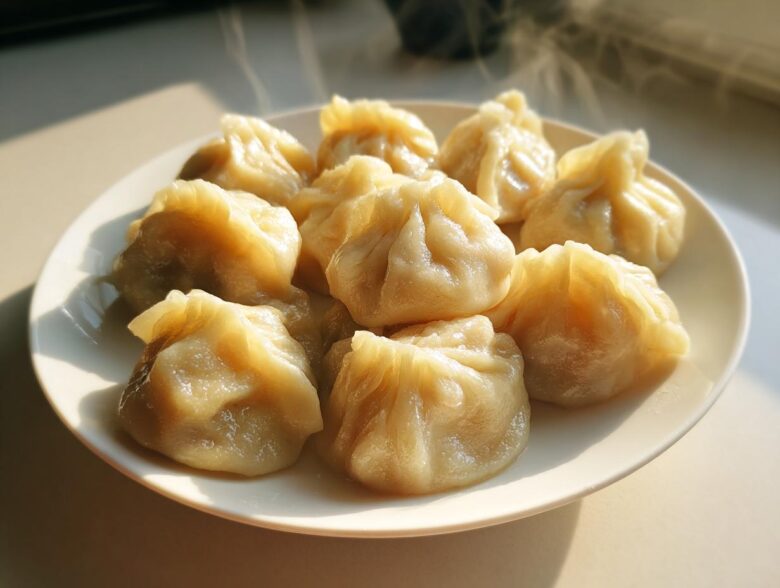
I know, I know—making dumplings from scratch sounds intimidating! For the longest time, I viewed anything involving dough and folding as reserved only for professional chefs. I used to run from my kitchen! But when Liam started sending me hand-delivered meals, I realized that the best messages are the ones you make yourself. This recipe for Traditional Chinese Dumplings is my personal victory lap—the one that proved I could nail something truly authentic and delicious at home. Trust me, after you see how easy it is to make the wrappers and mix that incredible filling, those frozen bags won’t stand a chance. We’re going to conquer this together and unlock restaurant-quality jiaozi right here on your counter. If you want to know more about how we started this whole cooking journey, check out our story here.
Why You Will Love Making Traditional Chinese Dumplings
Honestly, once you master the wrapper, the rest feels like meditative play! Liam and I both agree that these homemade ones blow any takeout version out of the water. Here’s why this method is about to become your new favorite way to cook:
- The Flavor Upgrade is HUGE: Fresh dough and handling your filling ingredients truly means superior texture and flavor. Store-bought can’t compete with that fresh, savory bounce.
- Total Filling Freedom: While we use the classic pork and cabbage here, this recipe is your starting point! You can swap pork for chicken, add shrimp, or go vegetarian—you are the boss of the flavor profile.
- It’s Surprisingly Fun: Assembling the dumplings might take a moment, but once you get into a rhythm, it’s the perfect activity for a chill evening. Put on some music and watch the pile grow!
- Perfect for Meal Prep: Ever noticed how much better leftovers taste? These freeze like a dream, meaning you always have restaurant-quality jiaozi ready in minutes for a quick lunch or dinner.
Gathering Your Ingredients for Traditional Chinese Dumplings
Okay, time to gather our supplies! We break this down into three easy parts: the dough, the filling, and the amazing sauce that ties it all together. When it comes to jiaozi, the fresh ingredients really make the delivery special. My biggest warning here, which Liam always reminds me about, is preparation—especially for the cabbage. Don’t skip squeezing out that moisture, or your filling will turn watery! Having these components ready means you’re halfway to dumpling heaven.
For the Dough: How To Make Dumpling Wrappers From Scratch
This dough is surprisingly simple, really. You only need two things: two cups of all-purpose flour and about half a cup of warm water.
The water needs to be warm—not hot, just nice and cozy—because that helps the gluten in the flour relax properly. If the water is too cold, your dough will fight you! Measure carefully, mix it until it looks shaggy, and then we’ll get to the kneading part later.
For the Classic Pork and Cabbage Dumpling Filling
Here’s where that incredible restaurant flavor comes from. We’re using one pound of ground pork, finely chopped Napa cabbage (you must squeeze this until your arms hurt, seriously!), scallions, ginger, salt, pepper, soy sauce, and a touch of sesame oil. The secret weapon, Liam’s trick, is in the mixing! You need to stir the entire filling mixture vigorously in one direction until it gets sticky! Pushing it around like that creates a wonderful texture that holds together perfectly when cooked.
For the Best Chinese Dumpling Dipping Sauce
This sauce is my go-to for nearly every savory Asian appetizer—it’s addictive! Grab soy sauce, Chinese black vinegar (that’s the tangy backbone!), sesame oil, a little optional chili oil for a kick, and some minced fresh ginger.
When you mix these up, remember you are aiming for balance. You want sweet, salty, and tart all hitting together. If you enjoy rich dipping sauces, you might also want to check out my recipe for Cowboy Butter Dipping Sauce, although this one is meant to be light and bright!
Step-by-Step Instructions for Traditional Chinese Dumplings
Now for the fun part—putting it all together! We’re working in order here: dough first, then filling, then rolling, and finally, sealing. Don’t feel pressured to make every fold look perfect right away; the goal is always a tight seal so none of that delicious filling leaks out during cooking. If you’re nervous about the techniques in the kitchen, remember some basic kitchen skills can make all the difference in recipes like this!
Making and Resting the Dough
Once your shaggy mix is ready, turn it out onto your countertop. Now, you knead. You really have to work at it for a good 8 to 10 minutes until that dough feels smooth and starts fighting back a little—that’s elasticity building up! Once it’s lovely and smooth, cover it tightly. You absolutely must let it rest for at least 30 minutes. This resting time is non-negotiable because it lets the gluten relax. If you skip it, trying to roll those wrappers thin will be nearly impossible, trust me on this one!
Rolling Wrappers and Assembly for Traditional Chinese Dumplings
After the rest, divide your dough into four even sections and roll each one into a long rope, about an inch thick. Cut that rope into little half-inch pieces. Take one piece, flatten it with your palm, and then go in with your little rolling pin. The trick here is to roll the edges thinner than the center—that gives you a sturdy bottom to hold the filling but a delicate edge that pleats nicely. Place about a teaspoon of your filling in the center. Lightly wet the very edge with water, fold it into a half-moon, and start creating those small, tight pleats along one side. Pinch them hard as you go to ensure a complete seal!
Mastering Cooking Methods for Homemade Jiaozi Instructions
We’ve done the hard work creating the wrappers and mixing that savory filling, so now we have to treat them right! You have three fantastic ways to cook your jiaozi, and honestly, Liam and I argue about which one is the best every single time. Whether you want them soft and clean-tasting, or crispy on the bottom, we’ve got you covered. If you want to explore more of these wonderful wrapper recipes, check out our tips on other wonton and dumpling techniques!
Shui Jiao Boiling Method Perfection
Boiling gives you the classic, slippery, tender wrapper every time. Bring a huge pot of water to a roaring boil—you want plenty of room for them to move! Drop your dumplings in gently, stirring right away so they don’t immediately cling to the bottom. Once they float up, that’s your cue for the magic step: pour in about half a cup of cold water. This shocks the dough and stops the cooking just enough so the wrapper doesn’t turn gummy while the filling finishes steaming inside. You do that cold water addition twice. When they float up plump and happy for the final time, they’re done in about 5 to 7 minutes total.
Creating Traditional Chinese Potstickers Recipe (Guotie)
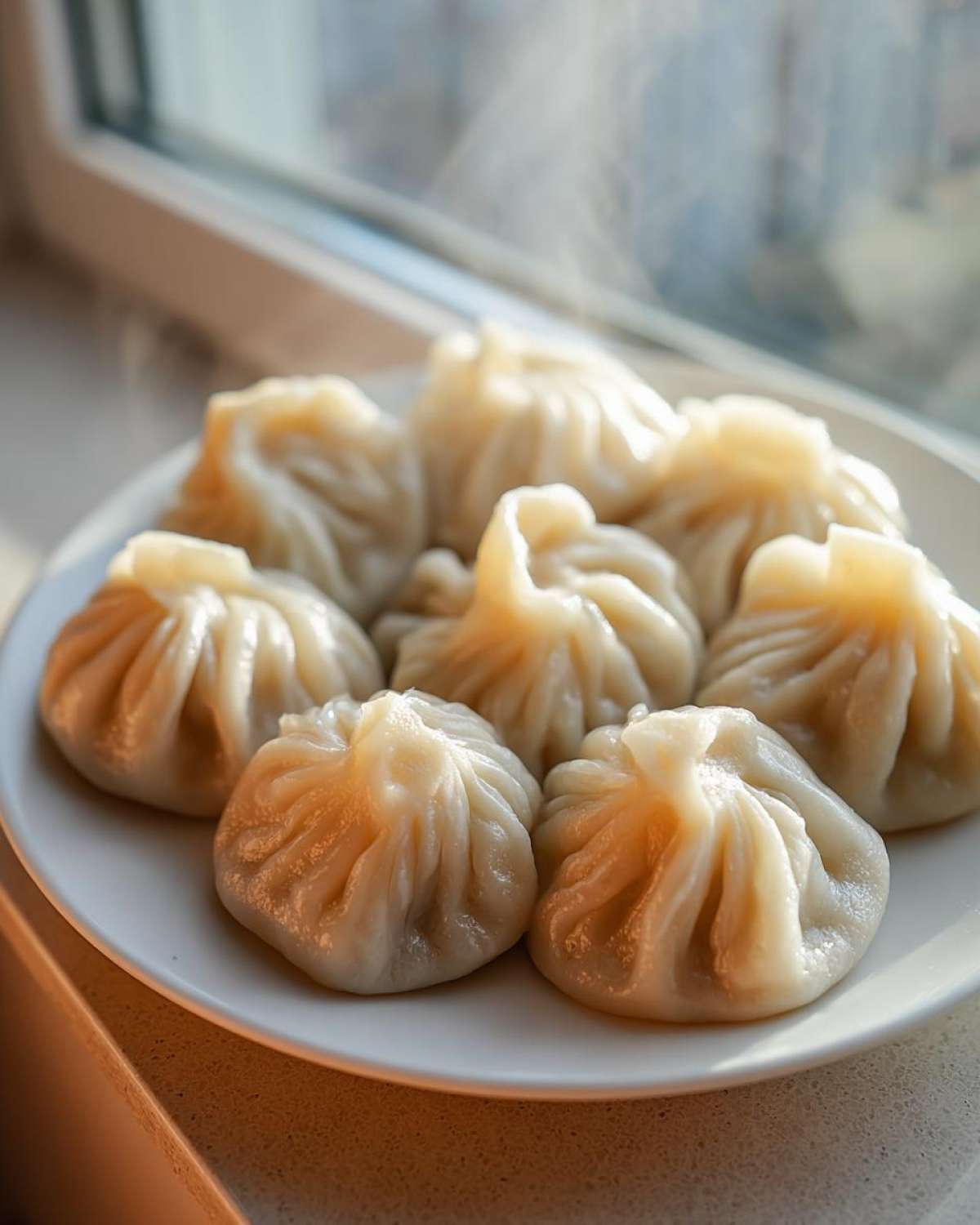
If you love that delicious crunch, potstickers are your winner! Heat about a tablespoon of oil in a good non-stick skillet over medium-high heat. Lay your dumplings flat-side down in a single layer—don’t overcrowd them! Let the bottoms sizzle and brown until they are deeply golden brown, usually just 2 or 3 minutes. Then, this part is crucial: pour in about half a cup of water and immediately slam a tight-fitting lid on top. That water rapidly turns to steam, cooking the top half of the wrapper and the filling through. Once all the water has evaporated (you’ll hear the sizzling change), your bottoms are perfectly crisp!
Tips for Success with Traditional Chinese Dumplings
Even with a great recipe, a few little tricks can take your Traditional Chinese Dumplings from “great” to “I’m opening a restaurant!” Liam and I learned these golden nuggets over several messy weekends. The goal here is always consistency and maximum flavor delivery, which is what makes a family recipe Chinese food so special.
Here are the things I always double-check before I start wrapping everything up:
- Get Rid of the Water! (Seriously): This is the biggest game-changer for filling flavor. After you finely chop that Napa cabbage, you need to salt it lightly and let it sit for about ten minutes. Then, grab handfuls of it and squeeze until no more liquid drips out. If you skip this, the moisture seeps into the wrapper while cooking, making your beautiful dumplings soggy.
- Make Extra for Later: Don’t just make 30 dumplings; make 100! These freeze beautifully, provided you follow the flash-freezing trick. You will thank yourselves next week when you want a quick, incredible meal but don’t want to roll dough.
- Don’t Overstuff: I know it’s tempting when you see all that gorgeous filling, but resist! If you add too much, the wrapper stresses out, the seal breaks, and you end up with soup in your pot instead of a perfect jiaozi. Only use about a teaspoon—it feels too little, but it’s exactly right.
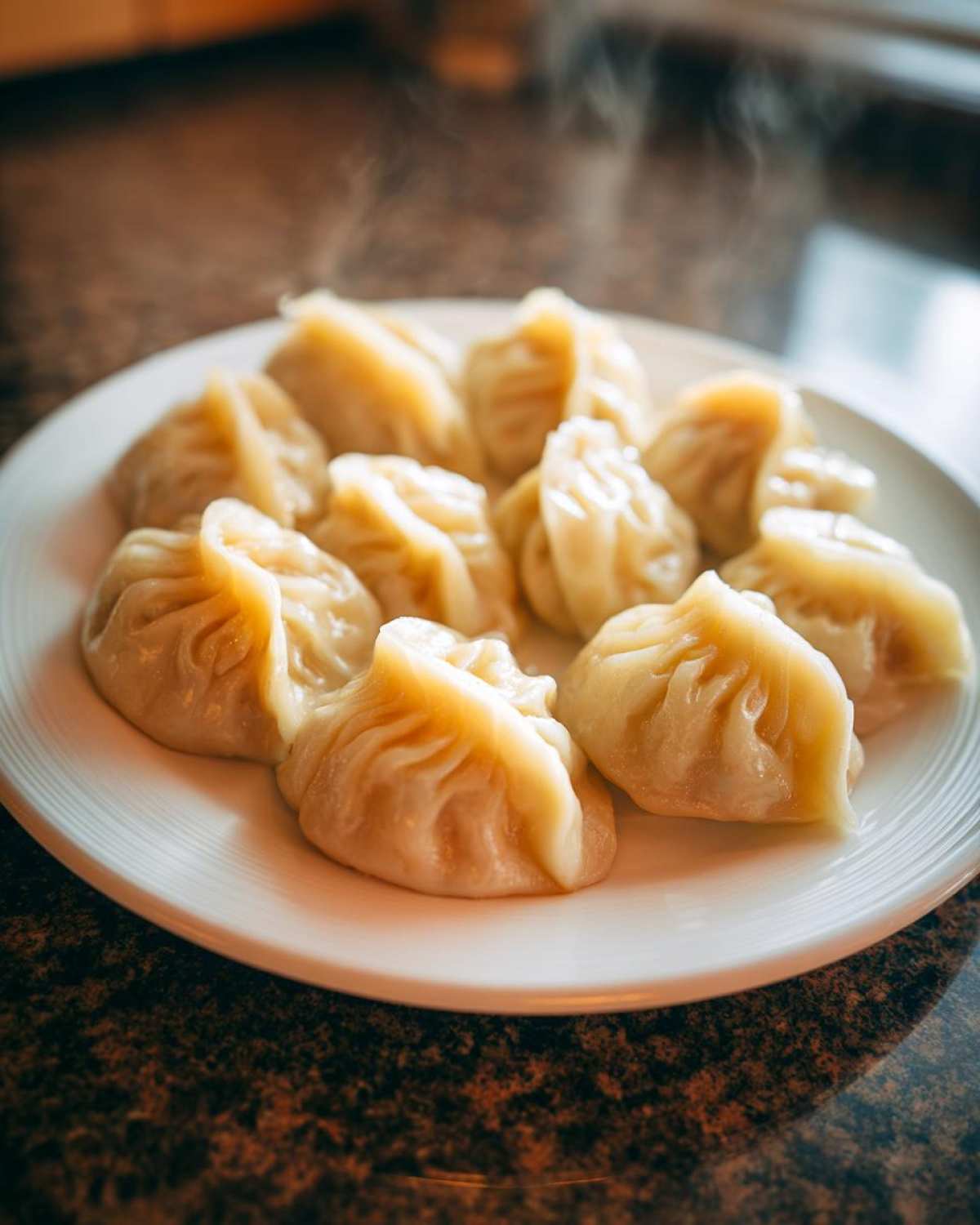
Remember, cooking is about caring for the ingredients and those who will eat them. Have fun with the process, and don’t sweat the ugly ones. You can read more about how we cherish our favorite dishes over on our blog!
Storage and Reheating Your Traditional Chinese Dumplings
I always make a massive batch because who wants to stop at just 30? If you have leftovers that aren’t cooked, this is super easy. Lay your sealed, uncooked Traditional Chinese Dumplings out on a baking sheet lined with parchment paper. Make sure they aren’t touching—this is important! Pop that whole sheet into the freezer for about an hour until they are rock solid. Once frozen, you can just toss them into a zip-top bag. Cook them straight from frozen, just add a few extra minutes to your boiling or steaming time.
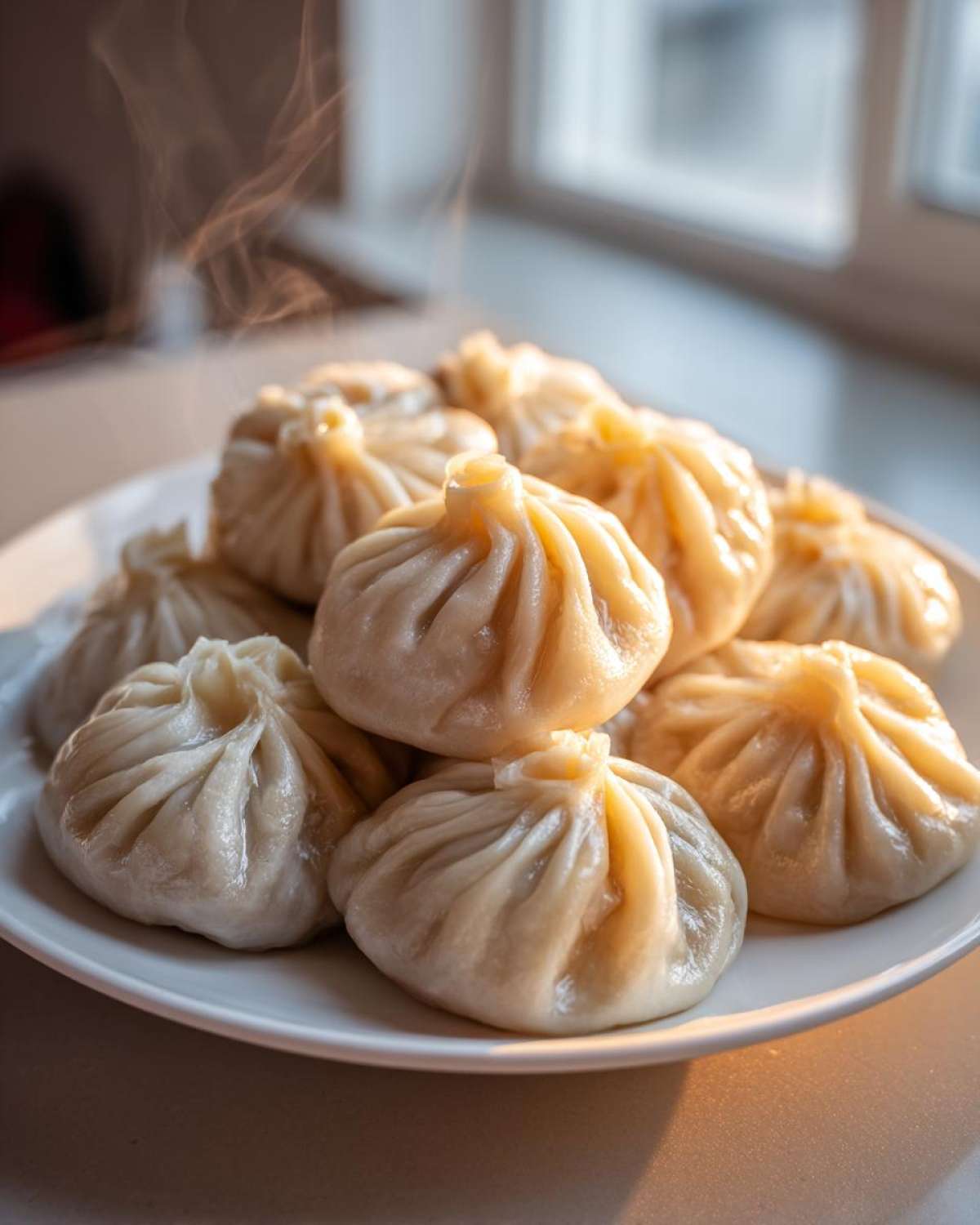
For reheating any leftovers, skip the microwave unless you enjoy chewy rubber pockets! Steaming is always my favorite way to bring them back to life, or you can pan-fry them quickly the next day. They taste almost as good as fresh!
Frequently Asked Questions About Making Jiaozi
Can I use store-bought wrappers instead of making them from scratch?
Oh, you totally can, and sometimes when I’m really running late, I cheat too! Store-bought wrappers are certainly a time-saver, and they work fine, especially if you’re making steamed jiaozi. However, I won’t lie—the texture is just different. Homemade dough, once rested and rolled thin on the edges, has a characteristic chewiness and tenderness that you just don’t get with the packaged ones. If you’re aiming for that pure, authentic texture, rolling your own is worth the effort, even if it means just trying it once!
What is the best way to prevent my Traditional Chinese Dumplings from sticking together during boiling?
This is such a common snag, and it usually happens for two reasons: the pot is too small, or you don’t stir right away. First, use a really big pot with tons of water; you want those dumplings to float freely, not be crowded! The secret move, which we talked about in the boiling section, is the initial stir right after they hit the water to separate them. Then, when they float up the first time, the cold water shock actually helps create a little space between them as they deflate slightly before cooking fully. If you’re making a big batch, it really helps to freeze them first so they stay firm while cooking.
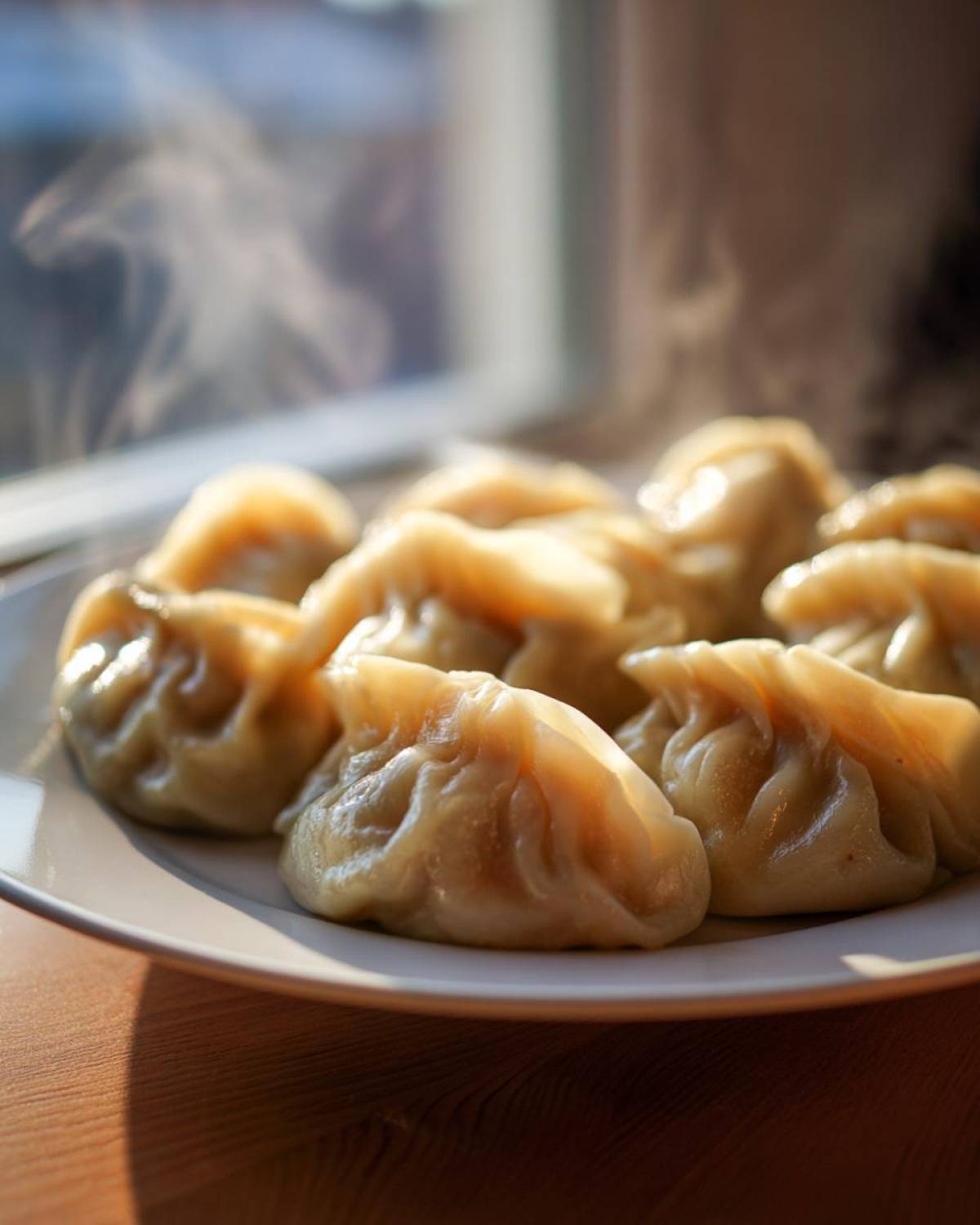
If you are looking for something snackable but different, you can check out some other fun ideas in our snacks category!
Nutritional Snapshot of Traditional Chinese Dumplings
Liam and I aren’t big on counting every single bite, but when we share these recipes, we want to be completely upfront about what’s going into the meal. Transparency is part of delivering a thoughtful message, right? So, here is the nutritional estimate for our classic pork and cabbage batch. Keep in mind that these numbers are just a snapshot based on the exact ingredients listed above. If you swap out pork for turkey, or use way more sesame oil in your sauce, those numbers will shift!
This information is generally based on a serving size of five cooked dumplings before accounting for massive amounts of that delicious dipping sauce we made. For the official fine print and more on how we calculate this stuff, you can always check out our full disclaimer here.
- Serving Size: 5 dumplings
- Calories: Approximately 280
- Total Fat: About 15g (with 5g being saturated)
- Protein: A solid 15g—that filling works hard!
- Carbohydrates: Around 22g
- Fiber: 1g
- Sodium: 550mg (This can creep up if you use extra soy sauce in your dipping bowl, so watch that pouring hand!)
See? Not bad for a completely handmade dish that tastes like it came straight from your favorite local spot! It’s hearty and comforting without being too heavy, which is exactly what we aim for in our chicken and dumpling recipes and everything else we dispatch from the kitchen!
Share Your Traditional Chinese Dumplings Creations
Okay, now it’s your turn to send a message out into the world! I truly hope this recipe gave you the confidence to tackle making Traditional Chinese Dumplings completely from scratch. Liam and I absolutely live for seeing your results. Did you go for the crispy potsticker bottoms, or were you all about that tender boiled texture?
Please, please snap a picture of your platter of freshly pleated jiaozi and tag us on social media! We want to celebrate your success. If you try this out, drop a rating below and let us know how it went. Seeing your photos is genuinely the best part of running this whole dispatch system.
Remember what I always say: every dish we make is a message, and when you deliver a plate of homemade dumplings, you’re sending comfort, care, and a huge dose of love across the table. That’s a beautiful dispatch to send. Keep exploring, keep cooking, and if you’re looking for more simple, reliable recipes ready for delivery, head over to our main blog landing page!
Happy dumpling making,
Chloe
PrintAuthentic Chinese Dumplings From Scratch: Your First Delivery
Learn how to make traditional Chinese dumplings (jiaozi) including the wrapper dough, a classic pork and cabbage filling, folding techniques, and three ways to cook them.
- Prep Time: 45 min
- Cook Time: 15 min
- Total Time: 60 min
- Yield: About 30 dumplings
- Category: Appetizer
- Method: Boiling, Pan-Frying, Steaming
- Cuisine: Chinese
- Diet: Low Lactose
Ingredients
- For the Dough: 2 cups all-purpose flour, 1/2 cup warm water (plus more if needed)
- For the Filling: 1 pound ground pork, 1 cup finely chopped Napa cabbage (squeezed dry), 1/4 cup chopped scallions, 1 tablespoon soy sauce, 1 teaspoon sesame oil, 1 teaspoon grated fresh ginger, 1/2 teaspoon salt, 1/4 teaspoon white pepper
- For the Dipping Sauce: 1/4 cup soy sauce, 2 tablespoons Chinese black vinegar, 1 teaspoon sesame oil, 1/2 teaspoon chili oil (optional), 1 teaspoon finely minced fresh ginger
Instructions
- Make the Dough: Place the flour in a large bowl. Gradually add the warm water while mixing with chopsticks until shaggy clumps form. Knead the dough by hand on a lightly floured surface for 8 to 10 minutes until smooth and elastic. Cover the dough with plastic wrap and let it rest at room temperature for at least 30 minutes.
- Prepare the Filling: In a bowl, combine the ground pork, squeezed Napa cabbage, scallions, soy sauce, sesame oil, ginger, salt, and white pepper. Mix vigorously in one direction until the mixture becomes sticky and uniform. This mixing technique helps bind the filling.
- Form Wrappers: Divide the rested dough into four equal pieces. Roll each piece into a long rope about 1 inch thick. Cut the rope into 1/2-inch pieces. Flatten each piece with your palm, then use a small rolling pin to roll it into a thin, round wrapper, about 3 inches in diameter, keeping the edges slightly thinner than the center.
- Assemble Dumplings: Place about 1 teaspoon of filling in the center of a wrapper. Moisten the edges lightly with water. Fold the wrapper in half to create a half-moon shape. Create small pleats along one edge, pressing firmly to seal the dumpling completely.
- Cook Dumplings (Choose One Method): Boiling (Shui Jiao): Bring a large pot of water to a rolling boil. Gently drop the dumplings in, stirring gently so they do not stick. Once they float, add 1/2 cup of cold water. Repeat this process two more times. When the dumplings float again and look plump, they are done (about 5-7 minutes total). Pan-Frying (Potstickers/Guotie): Heat 1 tablespoon of oil in a non-stick skillet over medium-high heat. Arrange dumplings flat-side down. Cook until the bottoms are golden brown (about 2-3 minutes). Add 1/2 cup of water, cover immediately, and steam until the water evaporates and the filling is cooked through (about 6-8 minutes). Steaming (Zheng Jiao): Line a steamer basket with parchment paper or cabbage leaves. Arrange dumplings without touching. Steam over boiling water for 10 to 12 minutes until the wrappers are translucent and the filling is cooked.
- Prepare Dipping Sauce: Whisk together the soy sauce, black vinegar, sesame oil, chili oil (if using), and minced ginger in a small bowl.
- Serve immediately with the dipping sauce.
Notes
- For the best texture in the filling, squeeze as much water out of the cabbage as possible after chopping.
- If you are making a large batch, freeze uncooked dumplings on a baking sheet before transferring them to a freezer bag. Cook directly from frozen, adding a few extra minutes to the cooking time.
- To make the wrappers ahead of time, keep the dough tightly wrapped or covered while you work on other pieces to prevent drying.
Nutrition
- Serving Size: 5 dumplings
- Calories: 280
- Sugar: 1
- Sodium: 550
- Fat: 15
- Saturated Fat: 5
- Unsaturated Fat: 10
- Trans Fat: 0
- Carbohydrates: 22
- Fiber: 1
- Protein: 15
- Cholesterol: 50