

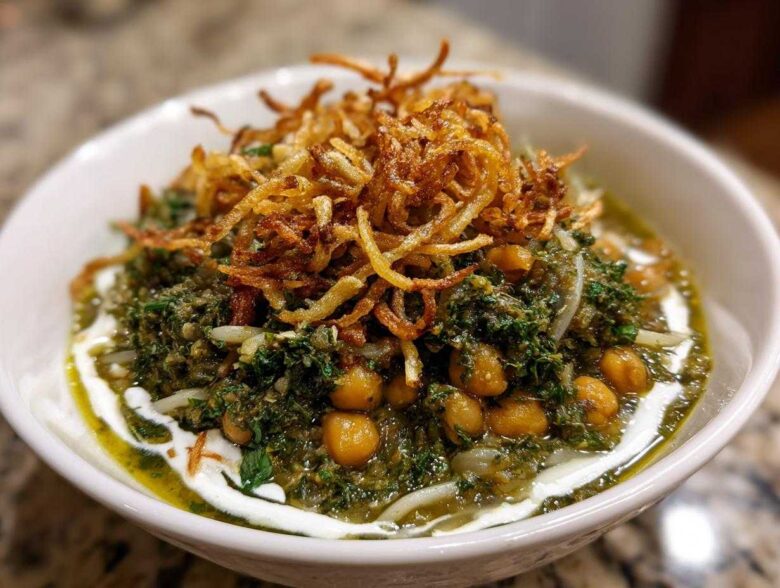
When I think about what true comfort food looks like, it’s always a bowl of something steaming hot, thick with texture, and smelling like a beautiful garden mixed with savory spices. Forget those clear broths; we are diving deep into savory tradition today! I’m absolutely thrilled to share what I believe is the ultimate persian noodle soup: Ash Reshteh. This isn’t just soup, you guys; it’s history swirling in a bowl. It’s the kind of hearty, nourishing dish that families gather around for special events, especially celebrating the New Year, Nowruz.
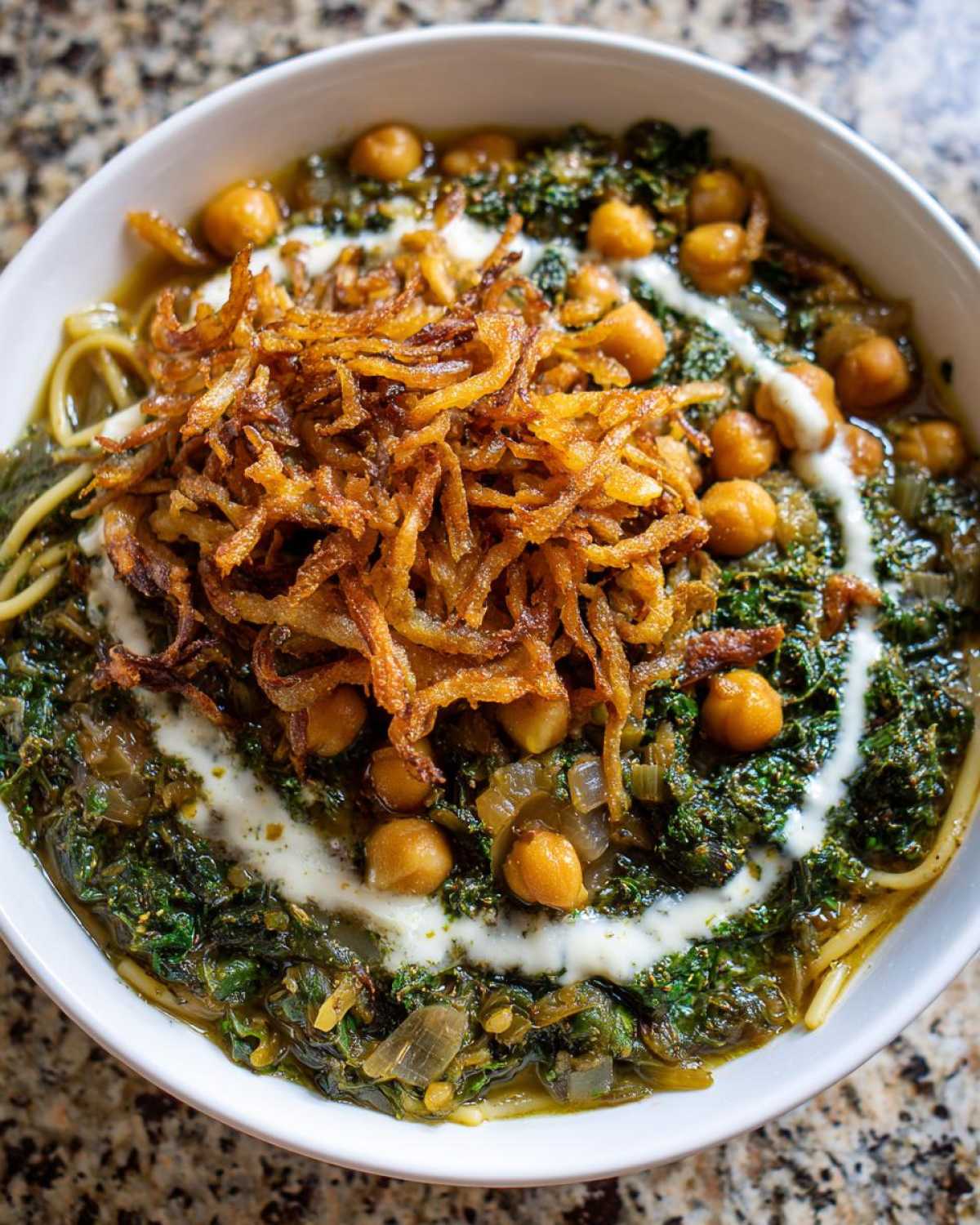
I’ve spent years trying to perfect authentic international recipes, and Ash Reshteh truly captures the heart of Persian home cooking—it’s loaded with fresh herbs, packed with legumes for substance, and those famous noodles! If you’re looking for a homemade Persian dish that wraps you up in a warm hug, you’ve found the right place. Let’s get cooking!
For more on my dedication to bringing authentic flavors to your kitchen, check out my story here.
Why This Ash Reshteh is the Best Persian Noodle Soup You Will Make
Honestly, what makes this recipe the king of any persian noodle soup lineup is that it delivers massive flavor without being fussy. You get that deep, earthy taste from the herbs and vegetables, but it comes together surprisingly fast if you prep right. It’s genuine comfort food that feels sophisticated.
- It’s incredibly filling thanks to those mixed legumes and noodles
- The blend of fresh herbs is unlike any other soup you’ve tried
- It’s perfectly adaptable for vegetarian or plant-based diets
Quick Tips for Making Authentic Persian Noodle Soup
A couple of things Grandma taught me that make all the difference? First, soak your beans overnight! It makes them tender and slashes cooking time considerably. Second, when you add the fresh herbs, you need patience. They look like a mountain at first, but you have to keep stirring until they completely wilt down and shrink. That reduction is where all the beautiful, concentrated flavor hides.
Gathering Ingredients for Your Hearty Herb Noodle Soup
Okay, getting the ingredients together is half the fun! This soup shines because it’s bursting with greens, not thin like chicken noodle. You absolutely need a big pile of fresh herbs—parsley, cilantro, dill—it all goes in! And we need those special noodles, called reshteh. Don’t skip them if you can help it; they give the soup its signature heartiness.
If you’ve ever made my chickpea salad, you know I love legumes, and this soup uses chickpeas, lentils, and beans to build that incredible texture!
Ingredient Clarity and Substitutions for Persian Noodle Soup
Let’s talk about the tricky bits so you don’t stress! The reshteh noodles are essential, but if you absolutely can’t find them, don’t panic! Break up some thin egg noodles or even vermicelli into little one-inch pieces. It won’t be exactly the same, but it’ll work in this persian noodle soup. For the topping, kashk (that cultured whey product) is traditional, but if you can’t source it, mix a little sour cream with a splash of water or plain full-fat Greek yogurt until it drizzles nicely.
Step-by-Step Instructions: How to Make Ash Reshteh
Alright, let’s get down to the actual making! This might seem like a big recipe on paper, but we break it down into manageable, wonderful-smelling parts. Don’t feel rushed! We’re aiming for flavor depth here, so patience during the simmering stages is key. My favorite pot for this is a big stockpot, just like I use for my chicken tortilla soup.
Preparing the Legumes and Building the Base of the Persian Noodle Soup
First things first: the legumes! Drain those soaked chickpeas and beans, give them a good rinse, and toss them into your big pot along with the lentils. Cover them with water, bring it up to a bubble, then drop it down to a slow simmer for about 45 minutes until they’re getting soft but aren’t mushy yet. This pre-cooking step is vital!
While they are softening, heat your oil in a separate, large pot—we need room to move! Sauté your chopped onion until it’s sweet, then throw in the garlic and that gorgeous turmeric. Cook that for just a minute until it smells warm and earthy. That turmeric gives the whole persian noodle soup its signature beautiful golden color!
Wilting the Herbs and Simmering the Traditional Persian Soup
Now for the magic: the herbs! Yes, all that chopped parsley, dill, cilantro, spinach, and leek looks like too much for the pot, but trust the process. Add them all to the oil mixture and cook them down. You have to stir constantly until they wilt dramatically and shrink down to maybe a quarter of their starting size. When the herbs start smelling intensely green and savory, you know you’re almost there!
Once those herbs have settled, transfer your partially cooked legumes into the herb pot. Pour in the broth, dried mint, salt, and pepper. Bring that whole gorgeous mixture to a boil, cover it mostly, and let it rumble gently for about half an hour. The aromas filling your home right now are just incredible—it’s the smell of authentic Persian cooking!
Mastering the Noodles in Your Persian Noodle Soup
Okay, once that soup base has simmered and the legumes are perfect, it’s time for the star ingredient: the reshteh noodles! This is Step 5, and you gotta watch them closely. Gently stir them right into that hot, bubbling persian noodle soup. Remember, because they are thin, they cook super fast—usually just 8 to 12 minutes depending on the brand you pick up.
My biggest tip here is to stir them every couple of minutes! Those noodles sink and they love to stick to the bottom of the pot and clump together. We want them tender and separate in every serving, not one giant noodle knot! Once they are cooked through, pull your pot off the heat immediately so they don’t get too soft while you are finishing up the seasoning.
Serving Suggestions for Your Homemade Persian Dish
Now we get to the fun part that really makes this dish sing—the toppings! Serving Ash Reshteh without the garnish is like having a party without music, trust me. This is where every bowl gets personalized, and frankly, where the photos look amazing for sharing.
You absolutely must have Piaz Dagh—that’s thinly sliced onions fried until they are dark brown and crispy. They add a huge, sweet crunch that contrasts perfectly with the soft soup.
Next up is the optional, but highly recommended, kashk. If you found some, serve it drizzled across the top in a pretty swirl pattern. If you’re skipping that, a dollop of plain Greek yogurt works beautifully. Finally, sprinkle everything with dried mint for an incredible aromatic lift. It reminds me of the spiced drinks I make from my chai concentrate recipe—that spicy freshness!
Storage and Reheating for Leftover Persian Noodle Soup
This wonderful persian noodle soup is even better the next day, but you need to know how to store it correctly. Because of all those herbs and the starch from the noodles and beans, it thickens up significantly overnight in the fridge—it becomes almost stew-like! That’s totally normal, so don’t panic.
When you reheat it, always add a splash of water or extra broth to the pot before you turn on the heat. Stir constantly as it warms up slowly. This loosens everything back up without boiling the noodles to mush. It keeps perfectly fine in an airtight container for up to four days!
Frequently Asked Questions About Ash Reshteh
I know international recipes can sometimes raise a few eyebrows, so let’s tackle any last-minute questions you might have about turning out this amazing traditional Persian comfort food.
Can I use different beans or lentils in this persian noodle soup?
Absolutely! While the classic recipe calls for chickpeas, kidney beans, and lentils, you can certainly swap them around based on what you have in your pantry. If you swap in a quicker-cooking lentil, just add it in later during the main simmer stage so it doesn’t turn to complete mush while the other legumes are cooking for your persian noodle soup!
I’ve even made a version using split peas during winter months when some traditional legumes were hard to source. The texture changes slightly, but the flavor profile stays strong.
For all my policies on how I handle reader information, please take a peek at my privacy policy.
Is this soup traditionally served during Persian New Year?
Yes, it certainly is! Ash Reshteh is deeply tied to Nowruz (the Persian New Year) celebrations. It’s considered a fantastic dish to serve because it symbolizes richness and abundance going into the new year, thanks to all those hearty beans and greens!
How long does this vegetarian noodle soup last in the fridge?
It keeps wonderfully! As I mentioned before, it gets thicker, but the flavors actually deepen after a day or two. I’d say it’s good for about 4 to 5 days stored properly in the refrigerator.
Can I skip the dried mint in the soup base?
You can, but you’ll miss something special! The dried mint gets cooked *into* the soup, providing an undercurrent of warmth that cuts through the richness of the legumes. If you skip the dried mint in the pot, try to make sure you use the fresh dried mint garnish on top!
Estimated Nutrition for This Nourishing Legume Soup
This is always the tricky part because everybody uses slightly different brands of lentils or different amounts of oil when they make things at home! Based on the recipe provided—especially using vegetable broth instead of meat stock—this comes out as an incredibly wholesome meal. For a single serving (about 1.5 cups), you’re looking at around 380 calories, packed with about 18 grams of protein and 14 grams of fiber!
Remember what I always say: these numbers are just estimates! The actual values will shift based on how much oil you use when sautéing those onions and how much kashk you decide to drizzle on top. For a full breakdown of my methodology, make sure you check out the full nutrition disclaimer here on the site.
Share Your Experience Making This Authentic Persian Soup
Wow, we made it through the entire pot of this amazing persian noodle soup! I really, truly hope you’re enjoying the incredible aromas and that first, super comforting spoonful. Now that you’ve made this delicious Ash Reshteh, I’d love to hear all about it!
Did you manage to find the reshteh noodles? Or did you use a substitute? Please take a minute to rate this recipe right here on the page and leave a comment below telling me about your experience—especially if you added extra toppings!
If you snapped a gorgeous picture of your bowl, tag me on social media so I can see your beautiful work! You can reach me directly through my contact page if you have any urgent questions or feedback. Happy cooking, friends!
PrintAsh Reshteh (Classic Persian Noodle Soup)

A hearty and traditional Persian noodle soup featuring mixed fresh herbs, legumes, and reshteh noodles, often served for special occasions.
- Prep Time: 30 min
- Cook Time: 1 hour 45 min
- Total Time: 2 hours 15 min
- Yield: 6 servings
- Category: Soup
- Method: Stovetop
- Cuisine: Persian
- Diet: Vegetarian
Ingredients
- 1 cup dried chickpeas, soaked overnight
- 1 cup dried kidney beans, soaked overnight
- 1 cup dried lentils
- 1 large onion, chopped
- 3 cloves garlic, minced
- 1 cup fresh parsley, chopped
- 1 cup fresh cilantro, chopped
- 1 cup fresh dill, chopped
- 1 cup fresh spinach, chopped
- 1 cup fresh leeks or green onions, chopped
- 6 cups vegetable broth
- 1/2 cup dried reshteh noodles (or thin egg noodles if unavailable)
- 1/4 cup dried mint
- 2 tablespoons turmeric powder
- 1/2 cup vegetable oil
- Salt and black pepper to taste
- For topping: Fried onions (Piaz Dagh), dried mint (optional), kashk (whey product, optional)
Instructions
- Drain and rinse the soaked chickpeas and beans. Place them in a large pot with the lentils and cover with fresh water. Bring to a boil, then reduce heat and simmer until partially tender, about 45 minutes. Drain and set aside.
- In a separate large pot, heat the vegetable oil over medium heat. Add the chopped onion and sauté until soft, about 5 minutes. Add the minced garlic and turmeric, cooking for 1 minute until fragrant.
- Add all the chopped fresh herbs (parsley, cilantro, dill, spinach, leeks) to the pot. Cook, stirring often, until the herbs wilt down significantly, about 10 minutes.
- Return the partially cooked legumes to the pot with the herbs. Add the vegetable broth, dried mint, salt, and pepper. Bring the mixture to a boil, then reduce heat and simmer, covered, for 30 minutes.
- Add the reshteh noodles to the soup. Cook according to noodle package directions, usually 8-12 minutes, until the noodles are tender. Stir occasionally to prevent sticking.
- Taste and adjust seasoning. If the soup is too thick, add a little hot water.
- Serve the Ash Reshteh hot. Top each bowl with fried onions, a drizzle of kashk, and a sprinkle of dried mint, if using.
Notes
- Soaking the chickpeas and beans overnight reduces cooking time significantly.
- If you cannot find reshteh noodles, use thin vermicelli or linguine broken into small pieces.
- For a vegetarian version, use vegetable broth; for a vegan version, omit the kashk topping.
- You can prepare the fried onions (Piaz Dagh) ahead of time for quicker assembly.
Nutrition
- Serving Size: 1.5 cups
- Calories: 380
- Sugar: 6
- Sodium: 450
- Fat: 12
- Saturated Fat: 2
- Unsaturated Fat: 10
- Trans Fat: 0
- Carbohydrates: 58
- Fiber: 14
- Protein: 18
- Cholesterol: 0