

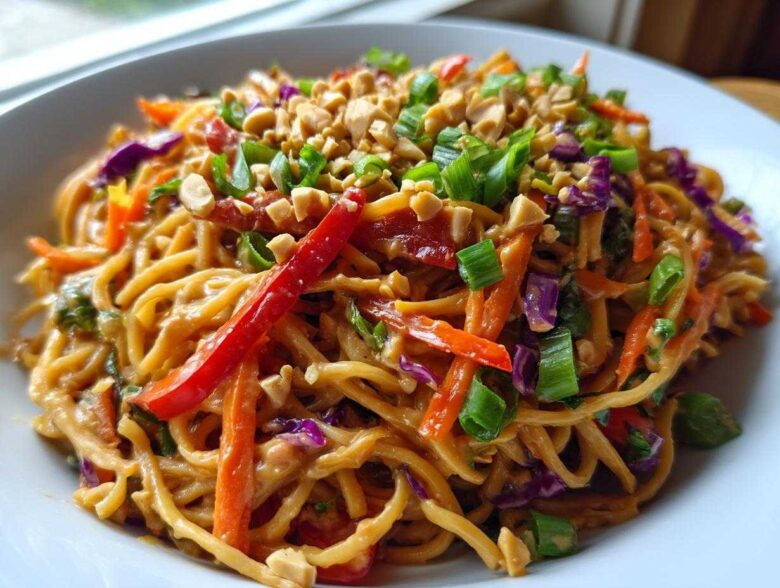
If you’re anything like me, sometimes you just need that big, cozy bowl of noodles that tastes exactly like your favorite takeout spot, but better—and faster! We’ve all been there, staring into the fridge trying to figure out dinner. Well, stop staring, because I finally perfected what I think is the ultimate Thai Peanut Noodles with Crunchy Veggies.
The secret isn’t really a secret, it’s just balance. We need that thick, savory sauce, that little kick of lime and ginger, and most importantly, the *crunch*! I spent almost an entire summer tweaking proportions—trying to stop the sauce from separating or tasting too sweet. Trust me, after nearly 20 variations, I nailed the dressing that clings perfectly to the noodles while keeping all the vegetables snappy.
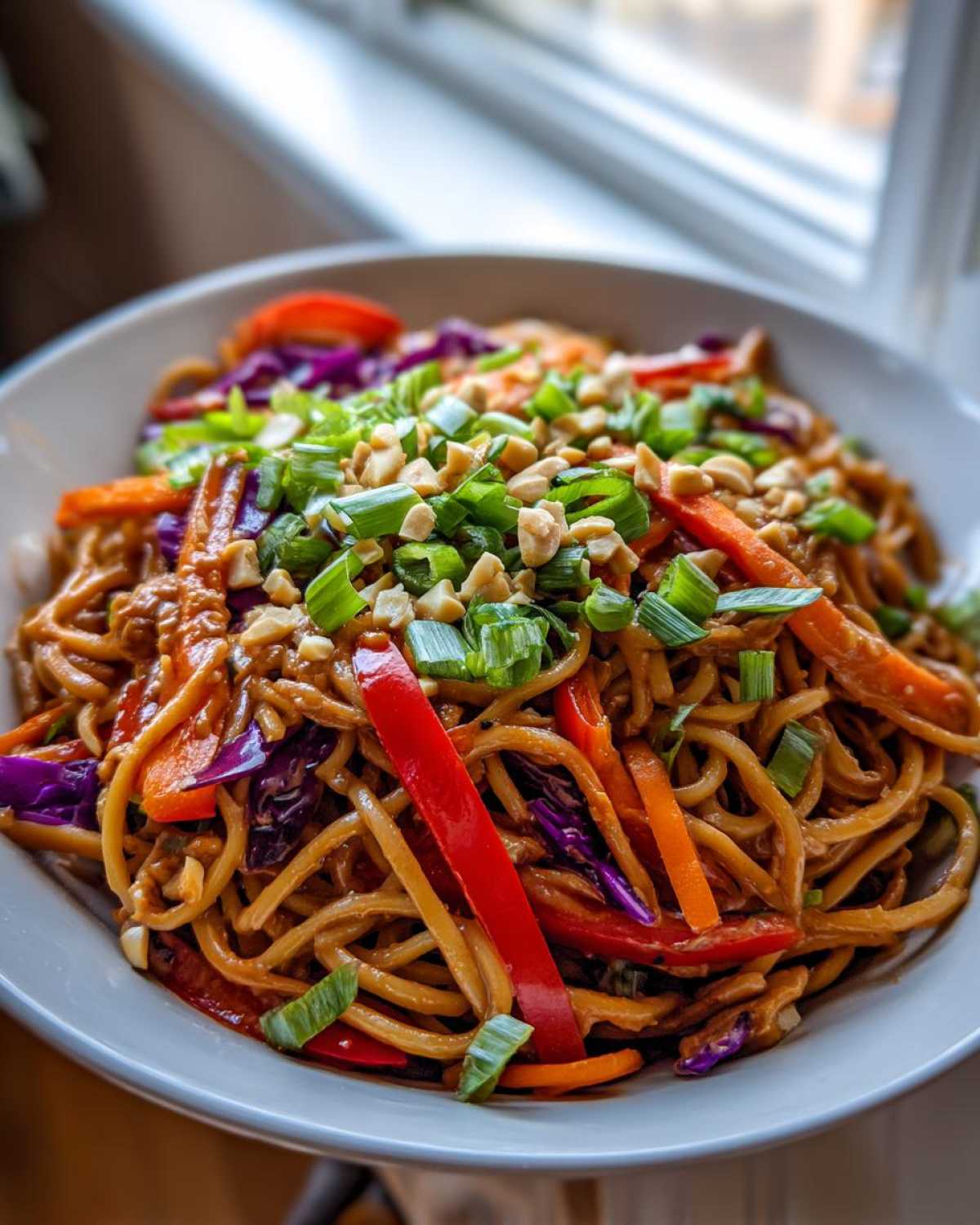
This dish is vibrant, it’s healthy, and it comes together in about 30 minutes. If you’re looking for an amazing meal prep solution or just a quick weeknight win, this is it. Let’s make some noodles!
Why You Will Love This Thai Peanut Noodles with Crunchy Veggies Recipe
This recipe really ticks all the boxes when dinner time hits and you need something delicious fast. I promise, you’ll be reaching for this one again and again:
- It’s lightning fast: Seriously, dinner is on the table in 30 minutes flat. Perfect for those busy weeknights when you’re starving!
- Texture Heaven: That contrast between the creamy sauce and those super crisp vegetables? It’s everything.
- Total Flavor Bomb: We’ve got savory, sweet, a little sour from the lime, and that background warmth from the ginger and garlic. Just like takeout, but made by you.
- Totally Adaptable: Toss in whatever veggies you have lying around or add tofu or chicken. It’s flexible! It works for whatever you’re craving, really.
Essential Ingredients for Thai Peanut Noodles with Crunchy Veggies
Okay, gathering the supplies is half the fun, right? You’ve got three main groups here: the base (noodles), the crunch factor (those amazing veggies), and the star of the show—the sauce. Don’t be tempted to skip things here; every ingredient plays an important role in making these the best Thai Peanut Noodles with Crunchy Veggies you’ve ever made.
For your base, you’ll need about 8 ounces of dried noodles. I often use spaghetti or linguine if I’m in a hurry, but rice noodles work beautifully too, especially if you want a lighter feel. For the vegetables, we are loading up! Grab 1 cup of shredded carrots, a whole red bell pepper sliced thinly, 1 cup of shredded red cabbage for color, and 1/2 cup of snow peas. Oh, and don’t forget the bean sprouts at the end for that extra little pop!
Now for the sauce ingredients! This is where we build flavor. You absolutely need 1/2 cup of creamy peanut butter. And here’s my big tip I learned after making a watery, sad sauce too many times: Use a good quality, natural, creamy peanut butter if you can. If it has lots of added sugar or oil, it tends to separate weirdly when you thin it out. We’re also grabbing soy sauce (or tamari if you need it gluten-free), rice vinegar for that essential tang, maple syrup—because we need a touch of sweetness to balance the salt—fresh lime juice, grated ginger, minced garlic, sesame oil, and just a tiny pinch of red pepper flakes if you like a little heat.
If you’re adding protein, I highly recommend making the optional crispy tofu. That means you’ll need one 14-ounce block of extra-firm tofu, pressed really well, and just a tablespoon of oil for pan-frying. We finish everything off with fresh scallions and some chopped peanuts for garnish. If you’ve ever tried my peanut butter treat, you know I love a good peanut element, and this garnish really finishes the bowl nice and pretty!
Making the Homemade Thai Peanut Sauce Recipe
Honestly, the sauce is the whole reason we’re making these noodles at home! You can whip this up in the time it takes to boil your water. Forget those jars sitting on the shelf; making this Homemade Thai Peanut Sauce Recipe is so much better.
First things first: take your nice, creamy peanut butter and whisk it vigorously with the hot water. I mean really beat it up! This step is crucial because it pre-melts the oils and gives you that initial smooth base. If you skip this, you just end up with tiny peanut butter clumps, and nobody wants that in their Quick Weeknight Peanut Sauce.
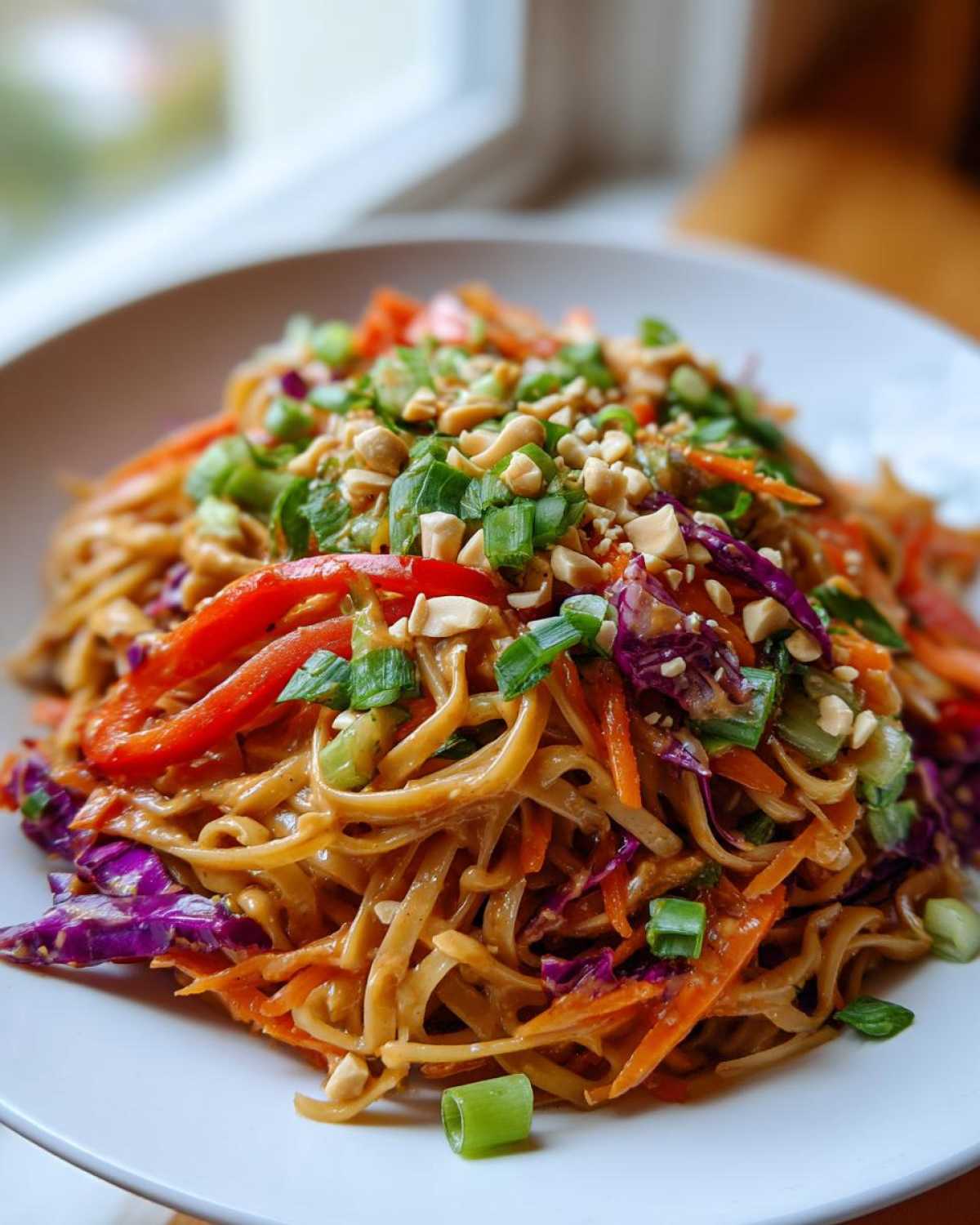
Once it’s velvety smooth, it’s time for the flavor punch. Add in your soy sauce for saltiness, your rice vinegar and lime juice for that bright, unmistakable Thai tang, a little maple syrup for depth, and then those aromatics—fresh ginger and garlic. A touch of sesame oil and red pepper flakes if you’re feeling spicy, and you just whisk until everything is perfectly blended. It should smell incredible right there in the bowl! It really elevates this dish beyond just a simple sauce recipe.
Tips for the Perfect Quick Weeknight Peanut Sauce Consistency
Getting the texture right is all about taste-testing as you go. The recipe calls for a starting amount of hot water, but sometimes the peanut butter is super thick, or maybe you like your dressing thinner for a lighter coating. If it looks too stiff, don’t panic! Just whisk in a teaspoon of regular water at a time until it flows nicely off your spoon. If you accidentally add too much water—Oops!—just whisk in a tablespoon more peanut butter to tighten it back up.
When it comes to balancing the flavor, this is where you get to be the boss. After you’ve mixed everything, give it a taste. Does it need more zing? Add a few more drops of lime juice. Is it tasting a little flat? A dash more soy sauce or rice vinegar will bring it roaring back to life. Don’t be shy about tweaking it until it tastes exactly how you want your Creamy Peanut Noodle Recipe to taste!
How to Prepare Thai Peanut Noodles with Crunchy Veggies Step-by-Step
Alright, let’s get this magnificent bowl of noodles assembled! The magic here is keeping everything moving quickly so you don’t end up with sticky, lukewarm noodles. Remember, this whole thing moves fast once the sauce is done!
First, you’ve got to tackle the noodles. Get them cooked according to the package directions, but here’s the critical part for any cold or room-temp noodle dish: As soon as they are al dente, drain them immediately and run them under a good stream of *cold* water. We need to shock them and rinse off that surface starch so they don’t clump into one giant sticky ball. Set those aside to drain while you work on the next steps.
If you’re adding tofu (and you totally should be, for protein!), this is the time to finish it up. You want it nicely golden and a little firm, so get that done and set it aside too. Now you’re ready for the assembly line.
In a giant bowl—and I mean a *giant* one, because you need room to toss—combine all your gorgeous, cold noodles with all your prepped vegetables—the carrots, cabbage, peppers, and sprouts go right in there. Then, pour that incredible peanut sauce right over the top. Remember how we made the thinner sauce if needed? Now’s the time to make sure you have enough dressing to coat everything!
Toss, toss, toss! You need to get that sauce evenly distributed over every single strand. If you added tofu, gently fold it in last so you don’t break up those beautiful crispy edges. Then, garnish with your scallions and peanuts, and boom! You’ve got dinner. If you want some ideas on how to kick up the flavor, sometimes I’ll add leftover cooked chicken from dinner the night before, or you could certainly go for shrimp like in my shrimp fried rice for a spin!
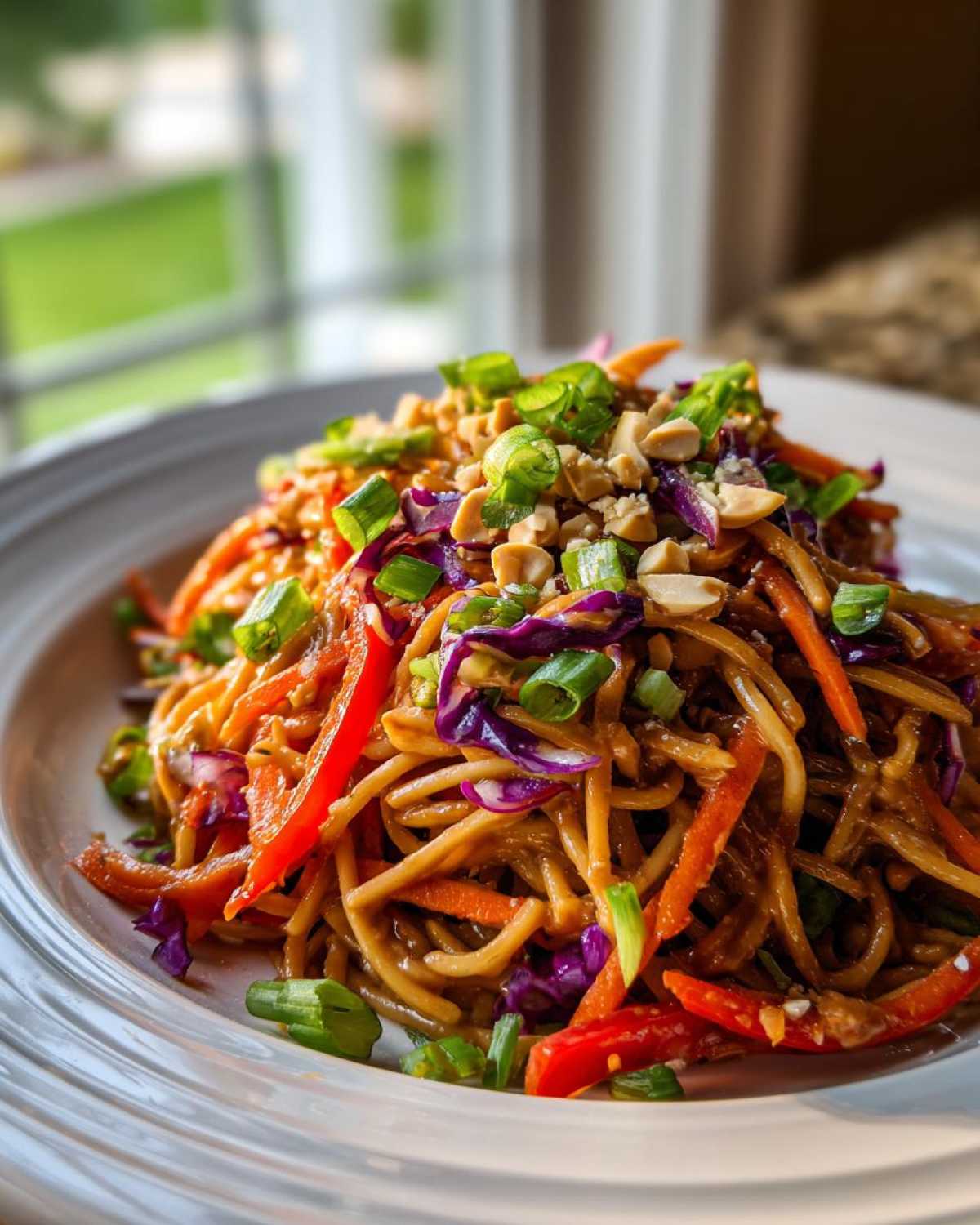
Maximizing Vegetable Crunch in Your Asian Noodle Bowls With Vegetables
This is the make-or-break for any recipe promising crunch! For the absolute best texture in these Asian Noodle Bowls With Vegetables, many of the veggies should be raw—especially the cabbage, sprouts, and thinly sliced peppers. They’ll stay perfectly snappy when tossed with the sauce.
The trickiest one is the snow peas. If you want them slightly tender but still firm, blanch them super quick. Think 30 seconds tops in boiling water, then immediately pull them out and plunge them into an ice bath. This stops the cooking process instantly and locks in that vibrant green color and, most importantly, the crunch! If you’re in a huge rush, though? Raw works just fine; just slice everything really thin so the texture blends better.
Protein Additions for Your Vegetarian Peanut Noodles
Even though this recipe shines as a Vegetarian Peanut Noodles powerhouse, adding a protein really makes it a complete, satisfying meal, especially when you’re trying to feed hungry folks!
If you’re keeping it vegetarian, the key to great tofu is pressing it until it feels like a brick! Seriously, wrap that block in paper towels, put something heavy on top like a cast iron skillet, and let it sit for at least 20 minutes. This pushes out all that excess water so the cubes can actually soak up that fantastic sauce.
Once pressed, cube it up and pan-fry it in a little oil until every side is golden brown and slightly chewy—it should take about 8 to 10 minutes. That little texture contrast is everything when you toss it with the noodles!
If you’re going non-veg, cooked chicken breast sliced thin works great, or you can toss in some crispy shrimp right at the end. If you go that route, check out my recipe for Quick Tofu Veggie Noodles for my favorite ways to mix up protein styles for these bowls!
Tips for Success with Your Thai Peanut Noodles with Crunchy Veggies
Even though this recipe is super straightforward, I picked up a few tricks over the years that make sure the results are always restaurant-quality. These aren’t in the main steps, but they make a huge difference, trust me!
First up: noodle rinsing. I mentioned it before, but I’m saying it again because it’s that important! When you drain your noodles—while they are still slightly warm—you must immediately run them under very cold water until they feel completely chilled. If you let them sit warm for even five minutes, they start sticking together in a giant, sad peanut-flavored glue ball. Nobody wants that mess. Rinse them well, drain them again in a colander, and then maybe toss them with half a teaspoon of sesame oil just for extra insurance.
Second, flavor layering in the sauce. I learned early on that if you only use lime juice, the sauce tastes sharp, but if you only use vinegar, it tastes flat. When I was first trying to perfect this Simple Peanut Dressing for Noodles, I thought adding more sugar would fix everything, but nope! What made the difference was using *both* fresh lime juice AND rice vinegar. The lime hits right away, and the vinegar carries that bright undertone through the whole dish. It’s the secret to that amazing depth you find in great Thai dishes.
My third big tip is about the vegetables again. If you are making these ahead of time for tomorrow’s lunch, keep the shredded cabbage and bean sprouts separate until the absolute last minute before eating. They release moisture faster than carrots or peppers. If you toss them in the sauce and toss them into the fridge overnight, they get soft! Keep the noodles and sauce mixed, but store the most delicate crunch items separately so you can toss them in fresh before serving. It’s just like when I’m marinading chicken for grilling—you want to add the delicate herbs right before cooking, not hours ahead. Check out my tips for my favorite chicken marinade to see how I handle fresh additions there too!
Finally, when you are coating everything, use your hands if you have to! Spoons just can’t get into the crevices of the noodles like clean hands can. Put on some gloves, toss everything together for a good minute, making sure every single noodle strand has at least a thin veil of that gorgeous sauce. Happy tossing!
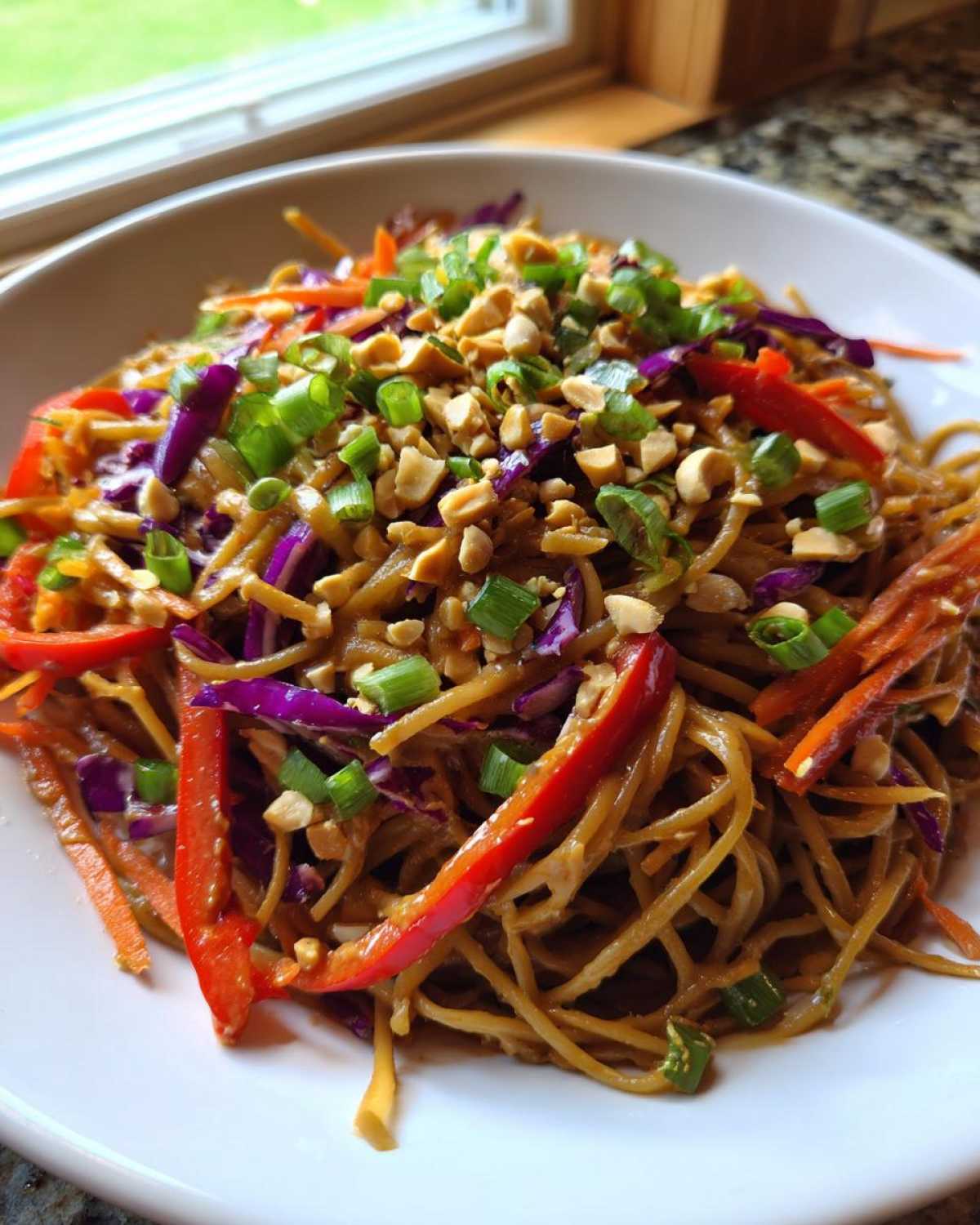
Storing and Reheating Leftover Thai Peanut Noodles with Crunchy Veggies
So, what happens if you manage to have leftovers? That’s a rare feat in my house, but I’ve got you covered!
You definitely want to put any leftovers into a truly airtight container. These noodles keep great in the fridge for about three days. Honestly, I think they taste even better the next day because the sauce really sinks into the noodles overnight. That’s the same way with my refrigerator pickles—the flavors just meld beautifully!
Now, here’s the crunch warning. That gorgeous vegetable snap you worked so hard for might soften a little bit in the fridge. If you are planning on reheating, please, skip the microwave! The microwave will turn everything soft and gummy. Gently warm these up on the stovetop in a skillet over low heat, maybe adding a teaspoon of water or extra lime juice to loosen the sauce, just until warm. Or, even better, eat them cold straight from the fridge the next day!
Frequently Asked Questions About This Easy Thai Noodle Dish
I know you might have a few last questions bubbling up once you start gathering your ingredients. That’s totally normal! It’s always best to be sure before you dive into making a big batch of these amazing Flavorful Stir Fry Noodles.
Here are the biggest questions I get asked about this recipe. Hopefully, this helps you feel confident before you start tossing everything together!
Can I make this a Cold Peanut Noodles Recipe?
Oh yes, absolutely! This is one of my favorite ways to eat it, especially on a hot day. If you plan ahead, you can make this a true Cold Peanut Noodles Recipe. I mentioned storing the cooked, cooled noodles separately from the sauce if you are meal prepping. When you’re ready to eat, just toss them cold! Chilling them actually makes the flavors stick even better, and the crispness holds up really well.
What is the best noodle substitute for Thai Peanut Noodles with Crunchy Veggies?
If you aren’t using spaghetti or linguine, my first pick for this dish would be rice noodles—either the thin vermicelli style or the flat pad thai style. They soak up the sauce beautifully and have a nice chew. If you’re looking to ditch the gluten and carbs entirely, you can totally use spiralized zucchini noodles! They cook down a little more but still give you that wonderful bowl base. For folks who need gluten-free options, just make sure your soy sauce is tamari and use one of those naturally gluten-free pastas, like the type you find in my almond flour recipes!
How do I ensure my tofu stays crispy, even when tossed?
This is all about prep! You have to press that moisture out of the tofu first, like I mentioned earlier. Then, when you pan-fry it, you want the heat medium-high so it really browns before the interior texture gets soft. Once it’s done and golden, don’t stir it too much when you fold it into the finished noodle mix. Keep the toss gentle so those crispy edges stay intact!
Can I add more zing or acidity to this Easy Thai Noodle Dish?
If you want more brightness, always default to lime juice. That fresh acidity cuts through the richness of the peanut butter like nothing else. If you feel like the sauce is missing something after tasting it, add another teaspoon of lime juice and a dash more rice vinegar. You’ll notice an immediate lift in the overall flavor profile of this Easy Thai Noodle Dish!
Nutritional Estimate for Thai Peanut Noodles with Crunchy Veggies
Now, I always feel a little guilty piling on the peanut butter, but these noodles are packed with veggies and good fats, so it balances out, right? Don’t forget, this is just an estimate—my kitchen rarely follows charts exactly! My measurements change based on how much lime I squeeze or if I use honey instead of maple syrup. You know how it is when you’re cooking from the heart!
Based on the recipe using the tofu option and standard ingredients, here is what you can generally expect per serving (this recipe makes about 4 servings):
- Calories: Around 550 per bowl. That’s a solid, satisfying dinner!
- Fat: About 28 grams total, mostly those good unsaturated fats from the peanut butter, which I love.
- Protein: We clocked in about 20 grams, thanks mostly to that extra-firm tofu we pan-fried up.
- Carbohydrates: We’re looking at 60 grams, with about 7 grams of that being healthy fiber from all those colorful veggies.
- Sodium: This is usually the highest number, around 650mg, which mostly comes from the soy sauce. Watch that if you’re sensitive!
As you can see, it’s a really balanced bowl! It’s way better than most takeout because you control the salt and sugar. If you’re looking for lighter options in general, you might want to check out my tips for making a veggie lentil salad. These estimates are based on everything listed, so if you skip the tofu or use low-sodium tamari, those numbers will shift! Cook happy!
PrintThai Peanut Noodles with Crunchy Veggies
A recipe for flavorful Thai peanut noodles packed with crisp, fresh vegetables and a homemade savory peanut sauce.
- Prep Time: 15 min
- Cook Time: 15 min
- Total Time: 30 min
- Yield: 4 servings
- Category: Main Dish
- Method: No-Cook Sauce/Tossing
- Cuisine: Thai
- Diet: Vegetarian
Ingredients
- 8 oz dried noodles (spaghetti, linguine, or rice noodles)
- 1 cup shredded carrots
- 1 red bell pepper, thinly sliced
- 1 cup shredded red cabbage
- 1/2 cup snow peas, trimmed
- 1/2 cup bean sprouts
- 1/4 cup chopped scallions, for garnish
- 2 tablespoons chopped peanuts, for garnish
- 1 block (14 oz) extra-firm tofu, pressed and cubed (optional)
- 1 tablespoon vegetable oil (for cooking tofu)
- For the Sauce:
- 1/2 cup creamy peanut butter
- 1/4 cup hot water
- 3 tablespoons soy sauce or tamari
- 2 tablespoons rice vinegar
- 2 tablespoons maple syrup or honey
- 1 tablespoon fresh lime juice
- 1 teaspoon grated fresh ginger
- 1 clove garlic, minced
- 1 teaspoon sesame oil
- 1/4 teaspoon red pepper flakes (optional)
Instructions
- Cook the noodles according to package directions. Drain them and rinse immediately with cold water to stop cooking and remove excess starch. Set aside.
- If using tofu, heat the vegetable oil in a skillet over medium-high heat. Add the tofu cubes and cook until golden brown and slightly crispy on all sides, about 8 to 10 minutes. Remove from heat.
- Prepare the peanut sauce: In a medium bowl, whisk together the peanut butter and hot water until smooth.
- Add the soy sauce, rice vinegar, maple syrup, lime juice, ginger, garlic, sesame oil, and red pepper flakes (if using) to the peanut butter mixture. Whisk until the sauce is completely smooth and creamy. Add a tablespoon of water if the sauce is too thick.
- In a large bowl, combine the cooled noodles, carrots, red bell pepper, cabbage, snow peas, and bean sprouts.
- Pour the peanut sauce over the noodle and vegetable mixture. Toss everything together until the noodles and vegetables are evenly coated.
- If using, gently fold in the cooked tofu.
- Divide the noodles into serving bowls. Garnish each serving with chopped scallions and chopped peanuts.
Notes
- For the crunchiest vegetables, use them raw or blanch the snow peas for 30 seconds in boiling water, then immediately plunge into ice water.
- If you prefer a thinner sauce, add more hot water, one teaspoon at a time, until you reach your desired consistency.
- This dish tastes best when served immediately or chilled for up to 2 hours.
Nutrition
- Serving Size: 1 serving
- Calories: 550
- Sugar: 12
- Sodium: 650
- Fat: 28
- Saturated Fat: 4
- Unsaturated Fat: 24
- Trans Fat: 0
- Carbohydrates: 60
- Fiber: 7
- Protein: 20
- Cholesterol: 0